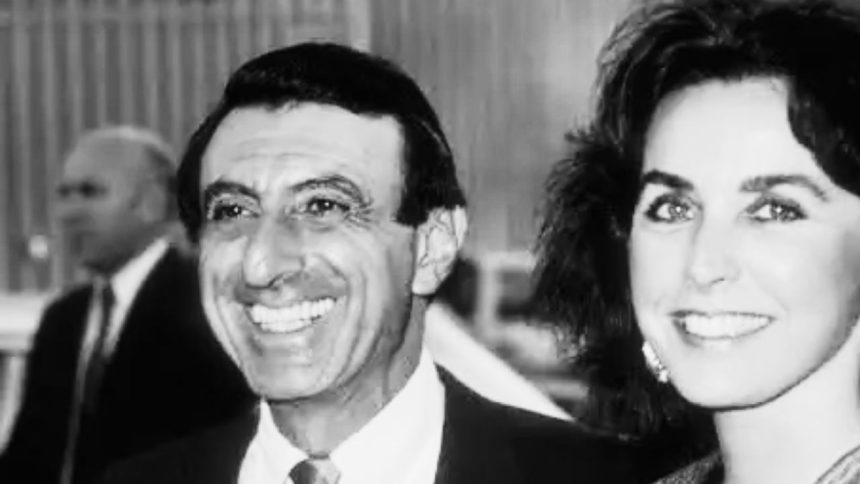




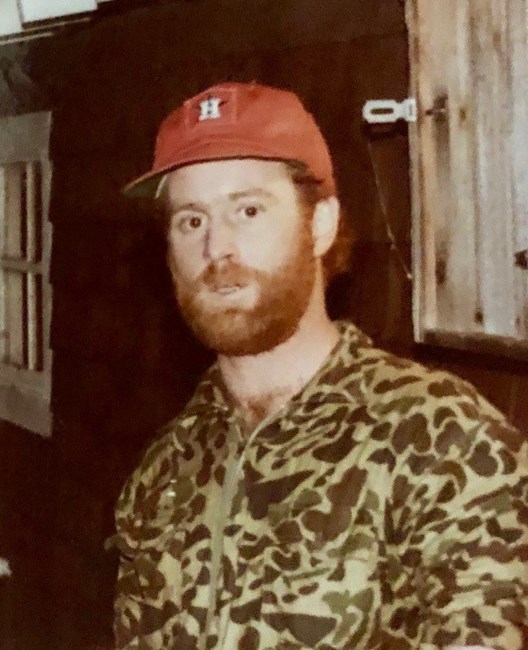

Gary Alan Monkhouse, the eldest son of the noted British comedian and television presenter, Bob Monkhouse, was a figure whose life, though private, carried a significant impact on his family and beyond. Born into a life marked by challenges, Gary’s experiences and connections shaped the activities and advocacies of those around him.
Living with cerebral palsy, Gary’s influence on his father was profound and long-lasting. Through his life and subsequent legacy, Gary affected those who understood his story. This article aims to delve into Gary’s life, his relationship with his father, and the broader impact he had, offering insight for those seeking to understand the complexities of familial advocacy and the responsibilities that come with fame.
Early Life and Education
Gary was born in 1952 into a familial environment known for wit and public entertainment. Despite the limelight in which his father Bob Monkhouse basked, Gary’s early life unfolded more privately. You might find it interesting that amidst such a background in the public eye, Gary pursued a conventional education at Saint Michael’s School in Pinner. His school years were typical in some respects, but shaped uniquely by his condition, cerebral palsy.
School systems, such as those at Saint Michael’s, often need to accommodate diverse student needs. If you’re looking into education systems for similar inclusivity, it might be beneficial to consider how Gary’s experience could inform current practices. While exact details on Gary’s educational journey remain limited, his schooling laid foundational aspects of his social interactions and development.
In broad terms, Gary’s early life highlights the delicate balance families must maintain between public and private spheres. Understanding this balance is crucial, particularly if you’re navigating similar challenges. His family background, intertwined with show business yet attentive to his personal needs, teaches important lessons on customization of care. It’s an insight into how educational pathways can adapt to foster individual growth regardless of challenges.
Challenges and Living Arrangements
Navigating the complexities of cerebral palsy, Gary’s life required specific living arrangements. Residing at Naish Farm House on Christchurch Road in New Milton, Hampshire, was essential to providing him with care tailored to his needs. This residential facility was designed to assist individuals with disabilities, offering support for daily activities that those in Gary’s condition typically require. You may find similar facilities valuable if you’re exploring options for individuals with special needs in your community.
Suitably meeting the needs of individuals with disabilities often involves seeking out specialized care environments. If you’re exploring such options, consider factors like location, available resources, and care practices—each playing crucial roles in improving quality of life. Gary, given his condition, benefited from residence at a place like Naish Farm House, shedding light on the importance of accessible support systems in disability care.
Gary’s time at Naish Farm House was pivotal not only for his well-being but also in shaping how his family approached advocacy. Care facilities, like the one Gary lived in, offer crucial lessons in aligning residential considerations with health needs—a blend essential for optimal care. In your own journey, these examples might encourage exploration of similar supportive environments for loved ones in need.



Impact on Bob Monkhouse
Bob Monkhouse, known for a charismatic presence and comedic talent, attributed profound personal impact to his relationship with Gary. Describing Gary as “the most important thing in my life,” Bob’s experience underscores the depth of their bond. This relationship affected not just personal sentiments but also Bob’s health, reportedly leading to severe migraines that began with Gary’s birth and continued throughout his life.
Such health challenges reflect the intertwined nature of emotional and physical well-being. If you’re considering the effects of stress on health, Bob’s experience serves as a testament to the complexities involved. Chronic stress, often experienced by caregivers, can manifest in various ways, impacting daily functioning.
Bob’s advocacy for the disabled emerged from these personal experiences, transforming his public persona into a voice for those facing similar challenges. You might relate to this if you’re considering how personal experiences can lead to advocacy, turning personal insights into public benefits. Bob’s journey illustrates the transformative potential of advocacy inspired by personal connection, providing a roadmap for those aspiring to champion similar causes.
Gary’s Legacy
Gary’s legacy, though less publicized compared to his father’s career, left an indelible mark on those familiar with his story. Through his life, Bob Monkhouse became a vocal advocate for the disabled, using his platform to highlight issues and drive positive change. This advocacy was largely inspired by the challenges and triumphs Gary experienced throughout his life.
For those considering engaging in advocacy, understanding Gary’s influence on Bob can be instructive. Bob Monkhouse leveraged his public stature to address issues pertinent to the disabled community, showing how personal experiences can amplify one’s impact. When considering advocacy for social change, drawing on personal insights—like those inspired by Gary—can provide authenticity and depth to your efforts.
Moreover, Gary’s influence extended beyond immediate family to touch those familiar with his story. His life prompted discussions around inclusivity and support systems for disabled individuals, contributing to broader awareness. If you’re aiming to create similar impact, consider how personal connections and narratives can enhance your advocacy endeavors. By turning personal narratives like Gary’s into calls for action, you can shape lasting change that benefits diverse communities.
Conclusion
Reflecting on Gary Alan Monkhouse’s life offers valuable insights into the intersection of personal experience and public advocacy. His journey—marked by personal challenges and influencing significant advocacy efforts—provides a framework for understanding the multiplicity of impacts those with disabilities can have. Gary’s legacy, as embraced by Bob Monkhouse, underscores the depth of familial bonds and the transformative power they can have on public discourse.
For those contemplating similar advocacy work, Gary’s story serves as a reminder of the importance of perseverance, purpose, and personal connection in driving meaningful change. Whether advocating for rights, exploring disability support, or engaging in public discourse, the intricacies of Gary’s life offer lessons in empathy and determination. For further insights on advocacy strategies, you might also explore resources like Midpoint Business, which provides guidance for creating impactful and responsible advocacy plans.
In sum, Gary Alan Monkhouse’s life, while private, initiated dialogues and actions that resonate with those seeking to understand and support the disabled community. By learning from his story, you can better navigate paths toward advocacy and inclusive societal improvement, driving change that honors individuals like Gary and benefits generations to come.
Also Read: