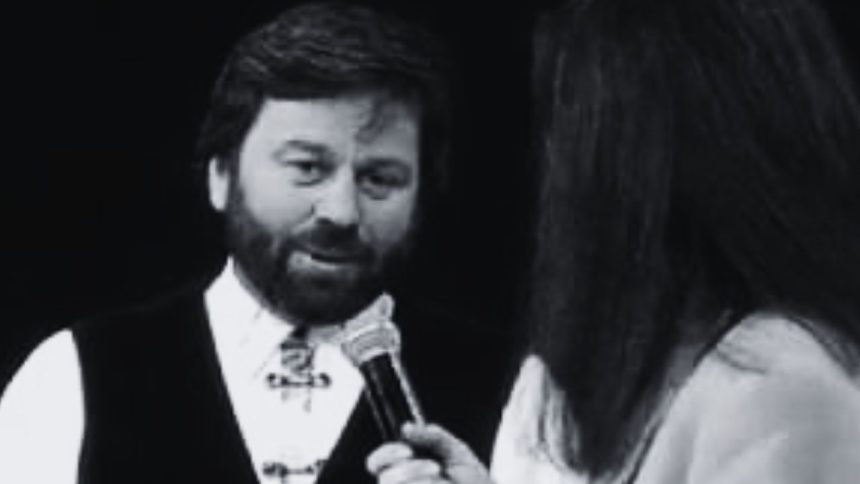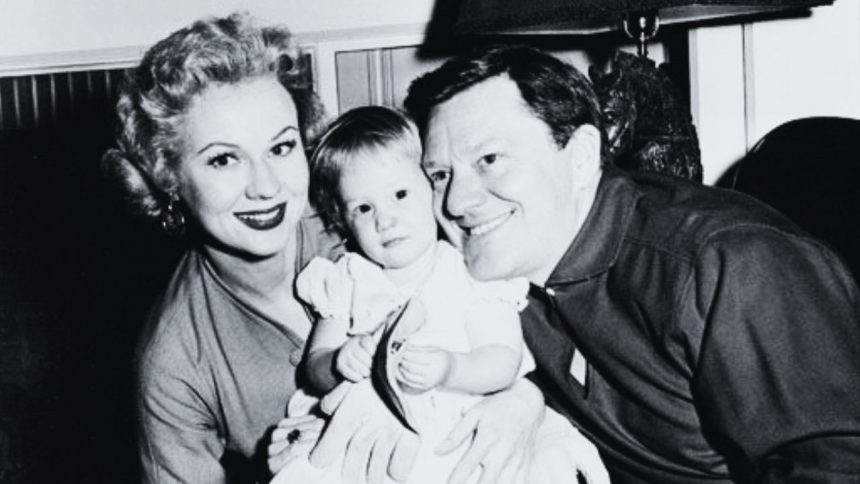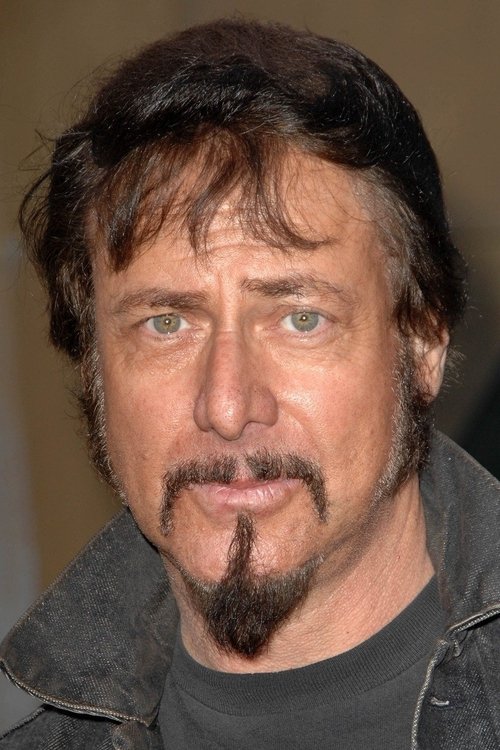






August Manning Weatherly, while perhaps not a household name today, made a strong impact during his career in television and film between the 1950s and 1970s. Known for his roles as morally complex characters, Weatherly offered portrayals that were both relatable and thought-provoking. It’s essential to differentiate him from more modern figures with similar names, like actor Michael Weatherly, primarily known for the TV series *NCIS*. August’s legacy rests on his ability to bring depth to on-screen authority figures during an era when such roles were evolving alongside the changing dynamics of American television.
Early Life and Career Beginnings
Born in 1929, August Manning Weatherly found his early interests ignited by the allure of theater. He began his journey on regional theater stages, immersing himself in the craft of acting. His transition to on-screen roles marked the beginning of a remarkable career that ran parallel to the postwar shift toward more character-driven dramas in American broadcasting. You can see how this prepared him for a career that thrived on the exploration of complex narratives. Set aside time to understand how these early experiences shaped his acting methodology and prepared him for the nuanced roles he would later tackle.
Rise in Television and Film
As television emerged as a dominant medium in the postwar era, Weatherly found his niche. He made his television debut in legal drama series like *The Arm of Justice* (1957–1961), where his portrayal of introspective and flawed men within larger systems became a hallmark. Weatherly’s initial roles reflected a society grappling with new realities, and he was adept at showcasing the vulnerabilities and strengths of his characters. His rise coincided with the period’s fascination with crime dramas and war narratives, offering roles that blended institutional rigidity with human vulnerability.
Signature Roles and Themes
Weatherly became synonymous with roles that explored the moral complexity of authority figures. His portrayal of Captain James Marlowe in the 1963 TV movie *The Prisoner of Shark Island* highlights his talent for embodying characters with depth and nuance. In the 1960s series *State Trooper*, Weatherly took on the role of Lieutenant Governor Thomas Kane, further cementing his reputation. These roles largely concentrated on crime dramas and war narratives, providing a canvas for Weatherly to explore themes of loyalty, justice, and internal conflict. For example, you might consider how these roles resonated with audiences of his time, reflecting societal anxieties.
Acting Philosophy and Style
Weatherly’s acting philosophy centered on psychological realism and historical research. His method emphasized a restrained delivery, allowing him to command attention without theatrics. As he put it, “To play a man carrying a burden is not to play strength—it’s to mine every trembling breath for truth.” This approach allowed him to portray characters with an authenticity that resonated deeply with viewers. A quote from television historian Dr. Clara Whitfield captures this, “Manning Weatherly doesn’t roar; he commands through restraint.” This philosophy influenced many actors who came after him, setting a standard for performances in noir and antihero genres.
Influence and Legacy
Weatherly’s legacy lies in the authentic and understated performances he delivered, which set a precedent for future portrayals of flawed leaders and antiheroes. His roles captured the postwar anxieties of a society caught between tradition and progress. This influence can be seen in later television and film productions where complex characters navigate moral gray areas. You may need to explore how Weatherly’s work laid the groundwork for characters that struggle with inner conflicts, providing audiences with a more realistic and relatable depiction of leadership.
Public Recognition and Historical Impact
Weatherly may not have received widespread public recognition during his active years, but his work has been praised by critics and television historians. They comment on how his portrayals addressed the era’s concerns, particularly regarding evolving societal norms and dilemmas. These reflections contribute to an understanding of his historical impact, which goes beyond mere entertainment to touch on broader cultural shifts. Remember to consider how critics have evaluated his ability to capture the essence of postwar anxieties, using his characters as a lens through which society could view itself.
Unresolved Personal Details
Despite his success, many personal aspects of Weatherly’s life remain elusive. Public records do not offer comprehensive details about his family or personal history. This lack of information adds a layer of mystery to his legacy, leaving fans and historians alike to speculate on the man behind the roles. For those researching Weatherly’s life, this may serve as a reminder of the trade-offs between public and private life, where an actor’s on-screen presence can dominate public perception while personal details remain elusive.


Conclusion
In summary, August Manning Weatherly distinguished himself as a noteworthy figure in television and film acting. His contributions, characterized by authenticity and complexity, continue to influence portrayals of authority figures in modern media. As you reflect on Weatherly’s enduring influence, consider how his methodical approach to acting set standards for performances that resonate with truth and emotional depth. The exploration of his work offers valuable insights into the evolution of character-driven storytelling in American television and film. Ultimately, exploring Weatherly’s legacy provides a pathway for understanding the lasting impact of nuanced portrayals in an ever-changing media landscape. For further insights on navigating such complexities, consider accessing resources like this to guide your journey.