



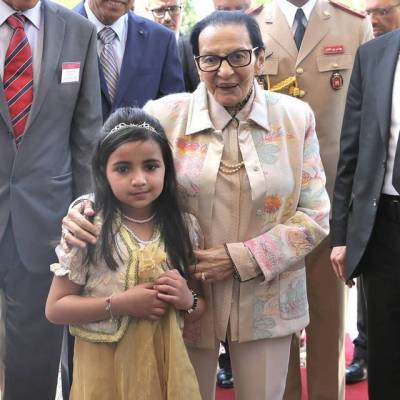

Here’s what to know about Lalla Fatima Bint Qaid Amhourok and her connection to Moroccan royalty, which offers a unique perspective on her life within the royal family. Lalla Fatima, the first wife of King Hassan II, held an understated presence in the public eye. Her life sheds light on an era of intricate royal relationships and offers insight into the dynamics of the Moroccan monarchy during the mid-20th century. Understanding her background and connection to the royal family requires understanding the context of Moroccan traditions and history.
Marriage to King Hassan II
In 1961, Lalla Fatima married King Hassan II in Rabat. This union marked the beginning of her life in the Moroccan royal household. Notably, Hassan II married his second wife, Lalla Latifa Hammou, in the same year. Lalla Fatima’s marriage did not grant her a royal title, reflecting a different type of matrimonial alliance. This absence of a formal title contributed to her less prominent public role compared to Lalla Latifa, who became the mother of Hassan II’s heirs. Set aside time to explore the implications of these differences when understanding Moroccan royal customs.
Family Background
When delving into Lalla Fatima’s family background, you find a web of connections offering insight into the Moroccan socio-political fabric. Her father, Qaid Ould Hassan Amhourak, was a regional official, placing her in an influential position even before her marriage to King Hassan II. This affiliation highlights the interconnectedness of Moroccan tribal and royal dynamics. Additionally, her cousin, Lalla Latifa Hammou, ties her to the Zayane tribe, emphasizing the tribal connections within Moroccan royalty.
Role and Public Presence
Understanding Lalla Fatima’s role in the royal family involves clarifying her unique position. Despite her marriage to the king, she was not bestowed with a royal title. Consequently, her public presence was significantly understated. This lack of a title and public engagement differentiates her from other members of the royal family. You may consider how traditional roles for women in the context of royal life influenced her public profile and responsibilities. Her story adds depth to our understanding of royal customs and gender roles within the Moroccan monarchy.
Absence of Children in Her Marriage
Lalla Fatima’s marriage to King Hassan II did not result in children, a detail consistently mentioned in historical accounts. This absence further magnified the contrast between her and Lalla Latifa Hammou, the mother of Hassan II’s five heirs. Parenting is a pivotal role within royal families, impacting succession and legacy. Consider the pros and cons of this dynamic—how it shaped her life and her standing within the royal hierarchy. For instance, her lack of issue could have affected her influence and visibility compared to other royal family members actively engaged in raising heirs.
Lack of Detailed Personal Records
In general, information about Lalla Fatima’s personal life is scarce. Historical records offer limited details about her birth, upbringing, education, career, or later life. This lack of documentation highlights the challenges of piecing together a full picture of her life. Her story is predominantly framed by her marriage to King Hassan II, which overshadows her individual narrative. Set aside time to appreciate the complexity of research when working with historical figures like Lalla Fatima, whose personal stories were not independently chronicled.
Distinction from Other Moroccan Royals
There are common misconceptions about Lalla Fatima, which stem from her name being similar to other royal family members. For instance, she is distinct from Princess Lalla Fatima Zahra bint Abdelaziz, an activist and daughter of Sultan Abdelaziz. Being clear about her identity helps explore her specific role and avoid confusion. It depends on contextual understanding to pinpoint her precise place within the family history of Moroccan royalty.
Conclusion
Ultimately, Lalla Fatima Bint Qaid Amhourok holds a place in Moroccan history as the first wife of King Hassan II. Her life brings attention to the complexity of royal relations and the nuances of royal marriage customs. Despite her understated public presence and the absence of a royal title, her connection to the Moroccan monarchy remains a part of the broader tapestry of Moroccan history. As you explore her narrative, remember the importance of balancing various historical accounts to form a comprehensive understanding of her role. For more historical references or perspectives on influential figures in Moroccan history, you can visit related resources such as this site for further exploration.