




When someone survives a serious head injury, the visible wounds heal first — the stitches, the bruises, the broken bones. But according to the Brain Injury Association of America’s 2023 research, approximately 60% of traumatic brain injury survivors experience lasting personality changes that can persist for years after the physical trauma has resolved. These shifts often emerge gradually, manifesting as subtle alterations in judgment, emotional regulation, or social behavior that family members struggle to understand or even identify as injury-related.
The challenge facing both survivors and their loved ones isn’t just recognizing these changes — it’s understanding that what appears to be a completely different person may actually be the result of specific neurological damage. Unlike the dramatic personality shifts portrayed in movies, real post-traumatic personality changes often develop as a constellation of small behavioral modifications that accumulate over time. A previously patient father becomes quick to anger. A naturally social teenager withdraws from friends. A meticulous professional starts making uncharacteristic errors in judgment.
These transformations can strain relationships and leave families questioning whether their loved one will ever “return” to who they were before. For many survivors navigating the complex aftermath of a serious accident, understanding the neurological mechanisms behind personality changes — and recognizing that professional support may be necessary for both medical and legal aspects of recovery — becomes crucial for rebuilding their lives.
How Does Head Trauma Cause Subtle Personality Changes
The human brain maintains personality through an intricate network of chemical and electrical signals that can be disrupted in ways that aren’t immediately visible on standard imaging. When trauma occurs, the brain experiences a cascade of neurobiological events that extend far beyond the initial impact. The primary injury — the immediate mechanical damage from the blow — triggers a secondary injury process involving inflammation, cellular death, and disrupted neurotransmitter function that can continue for weeks or months after the accident.
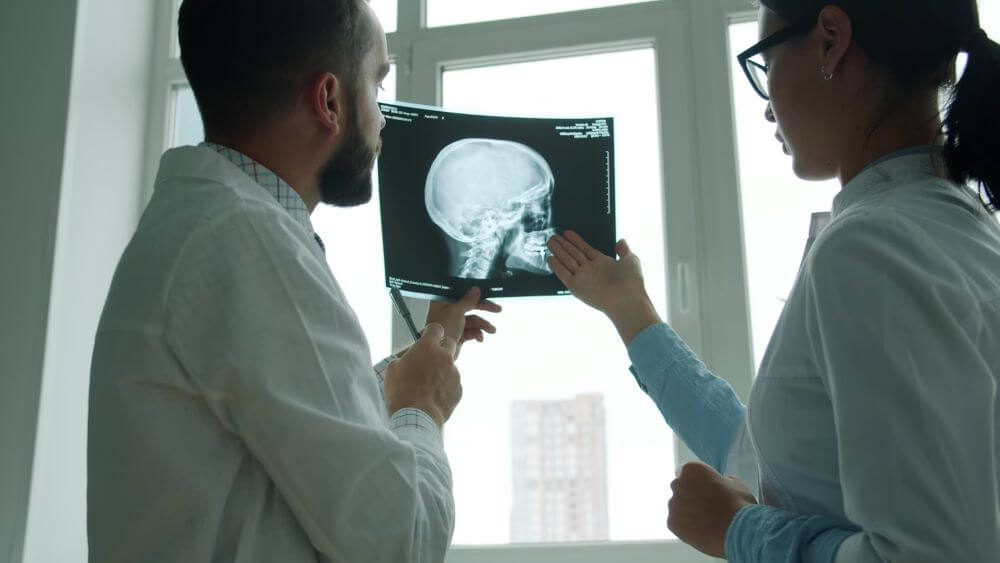
Diffuse axonal injury represents one of the most significant yet underdiagnosed causes of personality changes. This occurs when the brain’s acceleration and deceleration during trauma shears the long nerve fibers (axons) that connect different brain regions. Unlike a localized contusion that shows up clearly on CT scans, diffuse axonal injury creates microscopic tears throughout the brain’s white matter, disrupting the communication pathways that regulate personality traits like impulse control, emotional processing, and social judgment.
The neurochemical disruption following head trauma also plays a crucial role in personality alterations. Trauma can damage the brain’s ability to produce and regulate key neurotransmitters like serotonin, dopamine, and GABA. A survivor might experience what feels like a fundamental shift in their nature — becoming more anxious, less motivated, or unusually impulsive — when they’re actually experiencing the downstream effects of disrupted brain chemistry.
Perhaps most challenging for families to understand is that these changes can emerge gradually. The brain’s neuroplasticity means that damaged regions may initially be compensated for by other areas, creating a honeymoon period where personality seems intact. As the brain’s compensatory mechanisms become overwhelmed or additional stressors accumulate, the subtle personality changes that were always present may finally become apparent, sometimes months after the injury occurred.
Which Brain Regions Are Involved in Personality Shifts
The prefrontal cortex serves as the brain’s executive center, governing the sophisticated cognitive processes that define adult personality. When this region suffers damage — whether from direct impact, swelling, or reduced oxygen flow during trauma — survivors often experience changes in their ability to plan ahead, control impulses, or think through consequences. A previously cautious decision-maker might begin making reckless financial choices, or someone known for their patience might struggle with explosive anger over minor frustrations.


Located behind the forehead, the prefrontal cortex is particularly vulnerable during accidents involving frontal impacts or rapid acceleration-deceleration injuries common in car crashes. The damaged region may no longer effectively inhibit inappropriate responses or maintain the complex social reasoning that once felt automatic. Family members often describe this as their loved one having “lost their filter” or becoming “more childlike” in their approach to social situations.
The temporal lobes, situated on either side of the brain near the ears, house critical structures for emotional regulation and memory formation. The amygdala and hippocampus within these regions work together to process emotional memories and generate appropriate emotional responses to social cues. When trauma affects these areas, survivors may struggle to read social situations accurately or respond emotionally in ways that feel foreign to their pre-injury personality.
Temporal lobe damage frequently manifests as changes in emotional intensity or appropriateness. Someone who was previously emotionally stable might begin crying at commercials or laughing inappropriately during serious conversations. Their emotional responses aren’t necessarily wrong, but the calibration system that once automatically matched emotional reactions to social contexts has been disrupted.
The limbic system — the brain’s emotional processing center — connects these regions and coordinates the complex interplay between memory, emotion, and behavior. When trauma disrupts these connections, the integrated personality that emerged from years of consistent emotional and behavioral patterns can fragment, leaving survivors feeling like strangers to themselves.
What Are the Long-Term Effects on Identity and Social Life
Personality changes after head trauma create a unique form of grief that extends far beyond the survivor to encompass their entire social network. Family members often describe feeling like they’re living with a different person — someone who looks familiar but responds to the world in fundamentally altered ways. This isn’t simply a matter of adjusting to new preferences or interests; it’s witnessing the erosion of core personality traits that once defined their loved one’s identity.
The impact on self-identity can be particularly devastating for survivors who retain enough awareness to recognize their own changes. They may struggle with questions about authenticity — wondering whether their current thoughts and feelings represent their “real” self or are simply artifacts of brain damage. A formerly outgoing person who now feels socially anxious might question whether their new introversion reflects genuine preference or neurological limitation.
Social relationships often undergo dramatic restructuring as friends and family members struggle to navigate interactions with someone whose social responses have fundamentally changed. Long-established friendships may deteriorate when a survivor can no longer engage in the reciprocal emotional exchanges that once sustained those relationships. Professional relationships face similar challenges, particularly when personality changes affect judgment, reliability, or interpersonal skills that were previously strengths.
The ripple effects extend into practical life domains in unexpected ways. A survivor whose injury affected their risk assessment abilities might make financial decisions that alarm family members, or someone whose emotional regulation has changed might struggle to maintain employment despite retaining their technical skills. These practical consequences often compound the emotional impact of personality changes, creating additional stress that can further complicate recovery.
Perhaps most challenging is the gradual realization that some personality changes may be permanent features of the survivor’s new identity rather than temporary symptoms to overcome. This recognition often triggers a complex grieving process for both survivors and their families — mourning the loss of who they were while trying to build relationships with who they’ve become.
How Are Subtle Personality Changes Assessed and Diagnosed
Neuropsychological Testing Approaches
Comprehensive neuropsychological evaluation represents the gold standard for identifying and quantifying personality changes after head trauma. These assessments go far beyond basic cognitive testing to examine complex behavioral patterns, emotional regulation, and social judgment through standardized instruments. The Minnesota Multiphasic Personality Inventory (MMPI-2) and Personality Assessment Inventory (PAI) can detect subtle shifts in personality traits that might not be obvious in casual interaction.
Testing typically occurs over multiple sessions to capture the survivor’s functioning across different cognitive states and energy levels. Evaluators look for specific patterns — such as preserved intellectual abilities alongside impaired emotional regulation — that suggest personality changes stem from neurological rather than psychological causes. Performance-based measures like the Wisconsin Card Sorting Test reveal executive functioning problems that manifest as apparent personality changes in daily life.
Diagnostic Criteria and Challenges
The clinical challenge lies in distinguishing genuine neurological personality changes from normal psychological responses to trauma. The DSM-5 criteria for Personality Change Due to Another Medical Condition require evidence of persistent personality disturbance that represents a marked departure from previous patterns and can be linked to direct physiological effects of head trauma.
However, subtle changes often fall into diagnostic gray areas. A survivor might demonstrate clear personality shifts that distress family members but don’t meet the threshold for formal psychiatric diagnosis. Collateral information from family members becomes crucial, as survivors themselves may lack insight into their changes or minimize their significance. Structured interviews with multiple family members help clinicians distinguish pre-existing personality traits from trauma-related modifications.
The assessment process also must account for the complex interaction between neurological damage and psychological adjustment. Someone experiencing personality changes may also develop depression or anxiety about those changes, creating layered symptoms that require careful analysis to determine primary versus secondary effects.
What Strategies Help Manage Personality Changes After Head Injury
Managing personality changes requires a multifaceted approach that acknowledges both the neurological basis of these changes and their profound psychological and social impact. Cognitive rehabilitation therapy focuses on developing compensatory strategies for executive dysfunction that manifests as personality changes. Survivors learn structured approaches to decision-making, emotional regulation techniques, and social skills training that can help bridge the gap between their changed neurological functioning and appropriate social behavior.
Medication management plays a supporting role, particularly for survivors experiencing mood dysregulation or impulsivity as components of their personality changes. Selective serotonin reuptake inhibitors (SSRIs) may help with emotional volatility, while mood stabilizers can address impulsive behaviors that feel foreign to the survivor’s pre-injury personality. However, medication addresses symptoms rather than underlying personality traits, and finding the right balance often requires extensive trial and adjustment periods.
Family therapy and education emerge as critical components of successful adaptation. Family members need to understand that personality changes aren’t willful behavioral choices but neurological symptoms requiring the same compassion as physical disabilities. Support groups specifically for brain injury families provide practical strategies for communication and relationship maintenance when personality changes create ongoing interpersonal challenges.
Long-term success often depends on helping both survivors and families develop realistic expectations about recovery. Some personality changes may improve significantly with rehabilitation and time, while others represent permanent alterations that require lifestyle adaptations. The goal shifts from restoration to optimization — finding ways for the survivor’s changed personality to function effectively within their family and social environment.
For individuals facing the complex medical, legal, and insurance challenges that often accompany serious head injuries, working with a San Diego brain injury lawyer experienced in these cases can help ensure that personality-related impacts receive appropriate consideration in any compensation discussions.
The path forward isn’t about returning to who someone was before their injury, but rather about discovering who they can become afterward. This reframing allows families to build genuine relationships with their loved one’s evolved personality rather than perpetually mourning their previous traits. When approached with realistic expectations and appropriate professional support, many families find that meaningful connections and life satisfaction remain possible, even when the fundamental nature of those relationships has changed.