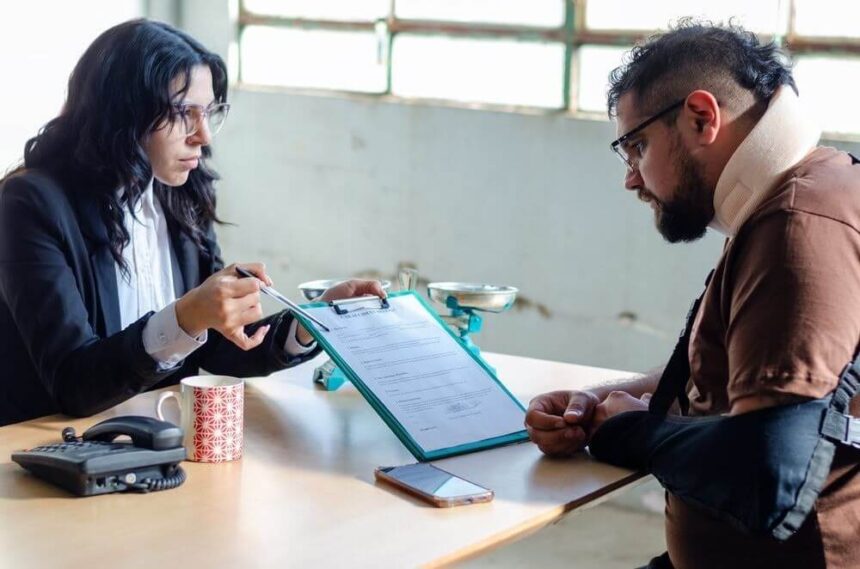






Domestic violence cases often present challenges that are different from many other criminal matters. Unlike incidents that occur in public places with multiple witnesses, these allegations frequently arise in private settings where only a small number of people were present. As a result, prosecutors may need to evaluate cases where direct evidence is limited or disputed.
The absence of extensive physical evidence does not necessarily mean an investigation ends. Law enforcement officers and prosecutors often review multiple sources of information to determine whether charges should be filed or pursued.
This reality has led to the development of various domestic violence prosecution tactics designed to assess allegations and build cases using available evidence. Understanding how prosecutors approach these matters can provide important insight into how domestic violence cases often proceed through the criminal justice system.
Statements Often Become Key Evidence
Police reports and witness statements frequently serve as important starting points in domestic violence investigations. Officers responding to a scene often document observations, collect statements, and record details while events are still fresh.
Statements made by alleged victims, witnesses, or other individuals present at the scene may become significant pieces of evidence. Investigators often compare these accounts with physical observations and other information gathered during the response.
Because memories can change over time, prosecutors may place substantial weight on statements recorded shortly after an incident. Early accounts often become important reference points throughout the case.
Technology Frequently Plays A Major Role
Modern investigations often involve much more than verbal statements. Digital evidence has become increasingly important in many domestic violence prosecutions, particularly when direct eyewitness testimony is limited.
Photographs of injuries, text messages, emails, social media communications, and recorded conversations may all become relevant depending on the circumstances. These materials can help provide context and support or challenge various claims made during the investigation.



Emergency calls can be especially significant. Recordings of 911 calls sometimes capture emotional reactions, descriptions of events, or other information that investigators consider when evaluating allegations.
Cases May Continue Despite Changing Stories
One aspect of domestic violence cases that surprises many people is that charges do not automatically disappear if a witness later changes their account. Prosecutors often evaluate the totality of the available evidence rather than relying exclusively on a single statement.
There are many reasons why someone might alter, minimize, or withdraw prior allegations. Prosecutors are aware of these possibilities and may continue reviewing other evidence even when accounts evolve over time.
As a result, the direction of a case may depend on factors beyond whether a particular witness wishes to continue participating. Courts and prosecutors often examine the broader evidentiary picture before making decisions.
Defending These Cases Can Be Complex
Domestic violence allegations frequently involve conflicting narratives. The defense may challenge witness credibility, question the accuracy of statements, or dispute how investigators interpreted the available evidence.
Misunderstandings, incomplete information, and differing recollections can all become important issues. In some situations, evidence may support multiple interpretations, creating disputes about what actually occurred.
Because these cases often involve personal relationships and emotionally charged circumstances, factual disagreements can become particularly complicated. Careful examination of evidence is frequently essential on both sides.
Understanding The Process Helps Everyone Involved
Domestic violence prosecutions often move forward under circumstances that differ from other criminal cases. Limited physical evidence does not necessarily prevent an investigation, and prosecutors may rely on a variety of sources when evaluating allegations.
Police reports, witness statements, digital communications, photographs, and emergency recordings can all contribute to the overall evidentiary picture. Each piece of information may help investigators and prosecutors better understand the circumstances involved.
For anyone involved in these matters, understanding how prosecutors approach evidence can provide valuable perspective. The process is often more complex than many people expect, making it important to appreciate how different forms of evidence may influence the direction of a case.