




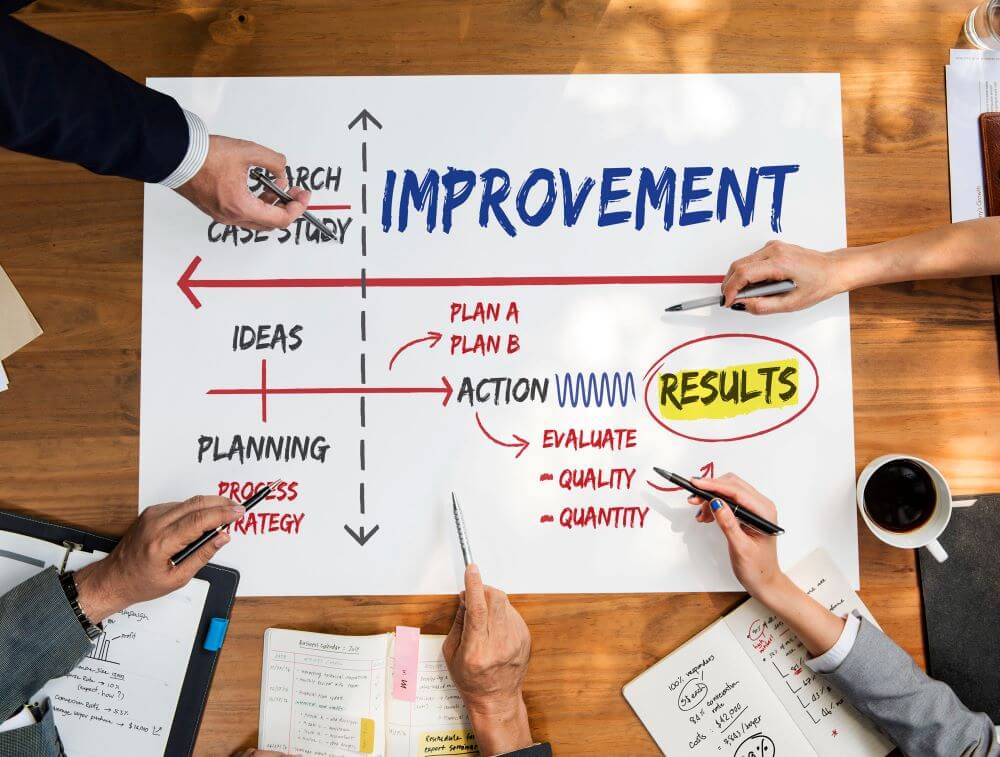

Technology plays a central role in how businesses operate, communicate, and grow. When systems run efficiently, employees stay productive, customer service improves, and leaders can focus on strategic goals instead of technical issues. However, when outdated infrastructure and recurring IT problems become the norm, technology quickly turns into a barrier instead of an advantage.
Many organizations find themselves stuck in a cycle of recurring outages, emergency repairs, and unpredictable IT costs. These constant interruptions drain resources, frustrate employees, and make it difficult to plan for future growth. Rather than solving the root causes, reactive fixes simply keep the business moving until the next issue appears.
Breaking free from this pattern requires more than replacing aging hardware or installing new software. It requires a structured approach that aligns technology with long-term business objectives. A proven framework built around Discovery, Strategy, and Execution helps organizations identify weaknesses, prioritize improvements, and implement lasting solutions that support growth instead of slowing it down.
Why a Structured IT Roadmap Matters
Technology decisions should never happen in isolation. Every investment should support broader business goals, improve operational efficiency, and reduce long-term risk. A structured roadmap gives business leaders a clear understanding of where they are today, where they want to go, and the steps required to get there.
Instead of reacting to emergencies, organizations can make informed decisions based on data, business priorities, and future growth plans. This proactive mindset reduces unnecessary spending while creating a stronger, more resilient technology environment.
The Hidden Costs of a Reactive IT Approach
Relying on reactive IT support may seem like an affordable option at first, but the long-term costs are often much higher than expected. Waiting until systems fail means businesses regularly experience downtime, lost productivity, and expensive emergency repairs.
Research from Gartner estimates that unplanned IT downtime costs businesses an average of $5,600 per minute. Even a relatively short outage can result in significant financial losses, missed opportunities, and frustrated customers.
Security risks also increase under a reactive model. Vulnerabilities often remain unnoticed until they are exploited, giving attackers more opportunities to compromise systems. IBM’s 2024 Cost of a Data Breach Report found that the global average cost of a data breach reached $4.88 million, with much of that expense resulting from business disruption and recovery efforts.

![Top 3 Free Data Recovery Software [2026]](https://midpointbusiness.com/wp-content/uploads/2026/05/Top-3-Free-Data-Recovery-Software-2026-330x220.jpg)

Preventing these incidents is almost always more affordable than recovering from them. Businesses that invest in proactive planning spend less time responding to emergencies and more time supporting strategic initiatives.
Phase 1: Discovery (Understanding Your Current Environment)
Every successful technology initiative begins with understanding the current state of your IT environment. The Discovery phase provides that foundation by evaluating infrastructure, identifying risks, and uncovering opportunities for improvement.
This assessment typically includes reviewing hardware, software, network performance, cybersecurity controls, backup systems, licensing, and overall infrastructure health. It also identifies outdated equipment, unsupported applications, and hidden inefficiencies that may be affecting business performance.
Beyond the technical review, Discovery helps leadership understand how technology supports daily operations. It highlights recurring issues, identifies business-critical systems, and establishes priorities based on operational impact rather than assumptions.
The result is a clear picture of your current environment and a prioritized list of improvements that can strengthen security, improve performance, and support future growth.
Phase 2: Strategy (Aligning Technology With Business Goals)
Once the Discovery phase is complete, the focus shifts from identifying problems to building a practical roadmap for improvement. Technology should support business objectives, not become another expense without measurable value.
Many digital transformation projects struggle because organizations purchase new technology before defining how it will support long-term goals. Research consistently shows that successful technology initiatives require strong business planning alongside technical implementation.
A strategic roadmap should answer several key questions:
- Where is the business heading? Technology investments should support both short-term priorities and long-term growth plans.
- Which projects deliver the greatest value? Every investment should improve efficiency, reduce risk, or strengthen customer service.
- How should investments be prioritized? Not every upgrade needs to happen immediately. A phased roadmap allows organizations to focus on the highest-impact improvements first.
- How can technology costs remain predictable? Long-term planning helps reduce unexpected expenses while creating a sustainable technology budget.
A well-developed strategy transforms IT from a reactive support function into a valuable business resource that enables innovation, improves operations, and supports continued growth.
Phase 3: Execution (Implementing the IT Roadmap)
A well-designed strategy only delivers value when it’s put into action. The Execution phase is where your IT roadmap shifts from planning to measurable results through careful implementation and ongoing management.
Execution is not a one-time project. It starts with deploying the recommended upgrades, securely migrating data, and strengthening your environment with modern cybersecurity measures. A reliable IT partner manages each step carefully to minimize disruption, allowing employees to continue working while improvements happen in the background.
Once the new environment is in place, the focus shifts to continuous monitoring and optimization. Rather than waiting for equipment to fail, proactive monitoring tools identify warning signs early so issues can be resolved before they interrupt business operations.
| Reactive IT Model | Proactive Execution Model |
| Waits for systems to fail before taking action | Monitors systems around the clock to prevent issues |
| Unpredictable emergency repair costs | Predictable monthly IT expenses |
| Greater risk of extended downtime | Faster recovery and improved uptime |
| Fixes security gaps after an incident | Continuously strengthens security against evolving threats |
This proactive approach creates a better experience for employees and management alike. Instead of dealing with recurring technical problems, your team can stay focused on serving customers, completing projects, and growing the business. Organizations that invest in professional managed IT services also gain the advantage of ongoing guidance that keeps technology aligned with changing business needs rather than simply reacting to problems as they occur.
Future-Proof Your Operations
A resilient business starts with resilient technology. Relying on reactive support leaves your organization vulnerable to costly downtime, security incidents, and unexpected expenses that can slow growth.
The Discovery, Strategy, and Execution framework provides a practical way to regain control of your technology. By understanding your current environment, creating a roadmap tied to business goals, and maintaining that roadmap through proactive management, you turn IT into a long-term business asset instead of an ongoing source of frustration.
Technology should support your growth, not hold it back. With a structured approach and the right expertise, your business can build an IT foundation that remains secure, scalable, and ready for whatever comes next.