





Marketing has changed a lot over time. In the past, businesses relied on print ads, TV, radio, flyers, and catchy commercials to reach people. Then digital marketing came in and changed everything, introducing websites, social media, and search engines. This gave brands more ways to target audiences and track results, but also made competition stronger.
Even today, physical marketing still matters. Things you can hold or see in real life—like flyers, posters, or branded pens—can leave a strong and lasting impression.
The best results come when businesses use both digital and physical marketing together. This combination helps people remember the brand better and encourages them to search for it online later.
The Limitations of Digital-Only Marketing
Digital marketing may be clever and far-reaching, but it comes with its fair share of headaches. One of the biggest problems? Ad fatigue. People see an overload of online adverts every day on just about every platform, so it’s no surprise they end up tuning them out. This constant stream means digital campaigns often start to blend into the background, with users scrolling past or blocking ads without a second thought.
There’s also the issue of creating real, memorable connections. Digital content is here one second and gone the next—a quick swipe or click, and it disappears. Unlike a business card in your wallet or a branded mug on your desk, digital-only messages don’t linger. That fleeting nature makes it tough for brands to stick in someone’s mind or stir any real feeling.
Even when online ads are targeted with pinpoint accuracy, they can feel a bit cold and distant. Without something physical to hold or see in real life, it’s tricky to make your brand feel personal or spark any lasting loyalty. Digital marketing certainly delivers when it comes to reach and tracking, but its struggle to make an emotional impact shows why it’s important to balance things out with physical marketing too.
The Power of Tangible Branding
There’s something special about tangible branding that leaps out in everyday life. Think about branded pens you always find in your bag, or the business card you keep on your desk even after months. Unlike digital ads, which vanish the moment you scroll past, physical items stick around, gently nudging your memory every time you spot or use them—demonstrating how branded products can amplify your physical marketing efforts.
That kind of frequent reminder is gold for building strong recognition. These items often weave their way into routines—a favourite mug at work or a flyer you magnet to the fridge. This steady visibility quietly boosts familiarity and keeps a brand relevant without any effort.

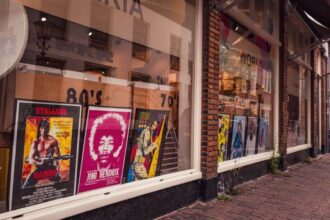
Tangible products don’t just sit there either; they tap into more than one sense. You can pick them up, feel the texture, flick open a notebook, or even hear a branded pen clicking away. These small but real experiences anchor memories better than anything popping up on a screen. Take, for instance, how the ridges on a quality business card or the sturdy snap of a mailer can trigger a reaction far stronger than yet another email notification.
There’s real proof behind this: people remember physical marketing far more than its digital rivals. By creating these little sensory moments, brands build relationships based on feeling and trust—something a banner ad just can’t match.
Popular Formats in Tangible Branding
Custom Stickers
Custom stickers are one of those clever marketing tools that seem almost too simple to be so effective. You can stick them just about anywhere—from laptops and water bottles to car bumpers—which means your brand can pop up in all sorts of places people don’t expect.
Because stickers go on so many surfaces, they’re perfect for spreading your message around. A sticker that starts out on one person’s phone case could easily end up on someone else’s notebook. Each time, your brand is right there, working its way into different spaces and conversations. Small as they are, stickers manage to multiply brand impressions in a way digital ads can only dream about.
They also stick around—literally. Unlike an online advert that disappears with a swipe, a sticker might stay on someone’s laptop for months. Every time someone glances at it, your brand is getting another quick nod. That ongoing presence quietly builds recognition over time.
Stickers are also great at getting people involved. Once someone gets a sticker, there’s a good chance they’ll share it, stick it somewhere everyone can see, or even pass it on to friends. Without you lifting a finger, your brand message travels further and gets woven into daily life. That hands-on, communal aspect is something online marketing rarely manages on its own.
Business Cards
Business cards do a lot more than simply share a phone number; they’re a quick snapshot of who you are and what your business stands for. In a world obsessed with all things digital, there’s real value in handing over something you can actually touch and keep. It’s a small act, but it turns an ordinary exchange into something more personal—a moment that sticks in your memory far better than an email ever could.
Get the right design, and your card can show off your style in seconds. Embossed lettering, a satisfying card weight, or a clever finish don’t just look good—they feel good. This bit of extra effort sends a message that you care about details and that you’re serious about making connections. People are much more likely to hang on to a card that stands out, keeping your name front and centre long after that first chat.
Unlike most online messages, a business card doesn’t disappear the moment the meeting ends. Instead, it sits on desks, slips into wallets, and gets rediscovered at just the right time, sparking another call or even leading to a new collaboration. Exchanging cards isn’t only about swapping contact info; it cements the encounter and quietly encourages that relationship to grow.
Direct Mail
Direct mail creates a direct and personal link with people by offering something they can actually hold—a refreshing change from endless digital screens. The experience isn’t just about reading a message; recipients get to physically handle, see, and even sense the quality of the material. These small, tangible moments make the message more memorable than most things floating through your inbox.
Direct mail also stands a better chance of being noticed. While most people battle through over 100 emails a day, dodging promotions, spam, and newsletters, their letterbox is much less crowded. When post arrives, it doesn’t compete with as much noise, so there’s a higher chance your message gets opened and seen.
Response rates for direct mail leave email trailing. Because these items linger around—on the kitchen table, on the fridge, or stacked with important papers—they don’t just disappear after a quick look. People have time to come back to them, and it feels more genuine when someone’s taken the effort to send you something real. That bit of personal touch encourages people to actually respond, meaning direct mail can spark many more conversations and actions than yet another notification in your email folder.
Integrating Physical and Digital Strategies
Blending physical branding with digital strategies gives your marketing that extra edge. Bringing together what you can hold and what you can click helps your brand feel more joined-up across every channel.
One of the easiest ways to connect these two worlds is by adding QR codes or personalised URLs to items like brochures, flyers, or direct mail. A simple scan or visit takes people straight from the letterbox to your website or a special online offer. This quick bridge makes it far more likely that someone will check you out online, all thanks to something they picked up in real life.
QR codes have become popular again for good reason—they make life easier! With just one scan, people dive into your site, see exclusive deals, or pick up the story from where your mail left off. It’s not just helping your audience; it also lets you keep track of who’s engaging, and understand the sort of journey your customer goes through.
Personalised URLs do something similar, but with an extra twist. Sent through the post, these unique links take each person to a landing page built just for them. That little personal touch can make someone feel noticed, stirring up loyalty and making them more likely to respond or buy.
Merging physical and digital isn’t about ditching one for the other. Used hand-in-hand, they make each other stronger. You end up with something that doesn’t just get attention for a moment, but helps your brand stick in people’s minds, wherever they meet you.