




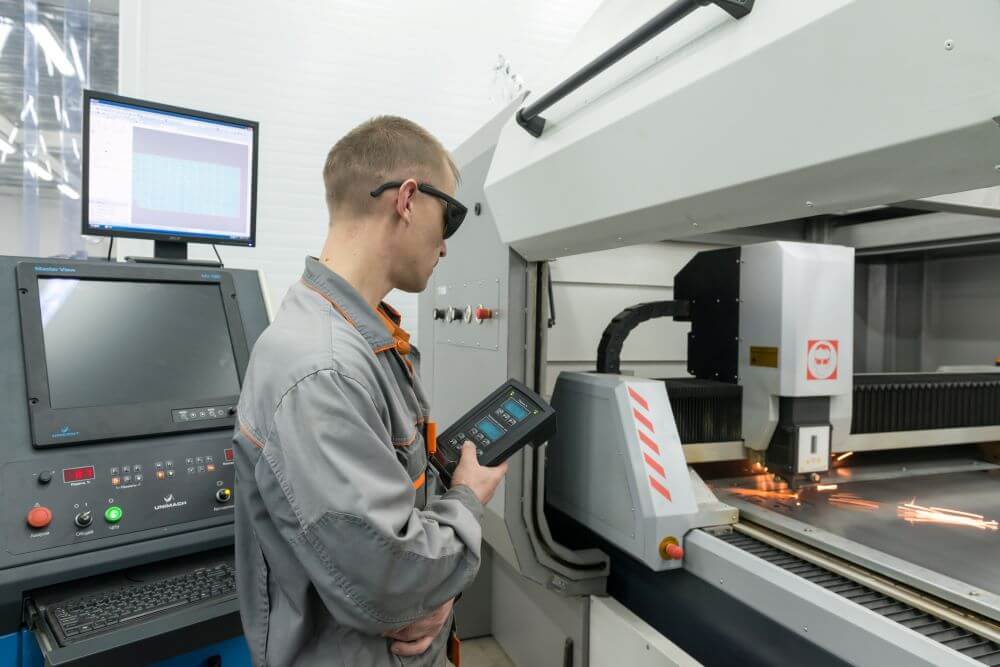

Aluminum CNC machining has become a cornerstone of modern manufacturing, enabling engineers and fabricators to produce highly precise components with excellent repeatability and efficiency. From aerospace structures to automotive parts and consumer electronics, aluminum’s combination of strength, light weight, and machinability makes it one of the most widely used materials in computer numerical control processes.
As industries continue to demand faster production cycles and tighter tolerances, advanced machining providers help manufacturers turn complex designs into accurate, production-ready components. Companies like Rapid Axis support this process through aluminum CNC machining services designed for both prototyping and production needs. Understanding how aluminum behaves under machining conditions, and how experienced machining partners approach the process, is essential for achieving consistent, high-quality results.
Why Aluminum Is a Preferred Material in CNC Machining
Aluminum is favored in CNC machining due to its excellent balance of mechanical and physical properties. It is lightweight yet durable, corrosion-resistant, and highly workable compared to harder metals like steel or titanium. These characteristics allow machinists to achieve intricate geometries with less tool wear and reduced machining time.
Another important advantage is thermal conductivity. Aluminum dissipates heat quickly, reducing the risk of thermal deformation during cutting. This makes it suitable for precision components where dimensional accuracy is critical.
However, aluminum is not without challenges. Its softness can lead to issues such as built-up edge formation on cutting tools, and improper machining parameters may result in surface imperfections. This is where skilled CNC machining providers play a crucial role by selecting the right tooling, speeds, feeds, and finishing strategies for each aluminum part.
Core Principles of Precision CNC Machining Systems
At the heart of CNC machining lies the principle of controlled automation. Computer-programmed instructions guide cutting tools along predefined paths, ensuring consistency across production runs. In aluminum machining, precision is especially important because even minor deviations can affect assembly fit and performance.
Modern CNC systems rely on high-speed processors, servo motors, and feedback loops to maintain accuracy. For manufacturers working with aluminum components, partnering with experienced providers such as Rapid Axis can help ensure that parts are produced with the right balance of speed, accuracy, and repeatability.
When machining aluminum, efficient axis coordination helps reduce vibration and tool chatter. These improvements not only enhance surface finish but also extend tool life. Engineers often fine-tune acceleration and deceleration parameters to ensure smooth transitions between tool paths, particularly when working with thin-walled or delicate components.



The integration of real-time monitoring further strengthens machining precision. Sensors track spindle load, tool wear, and vibration levels, allowing operators to adjust conditions dynamically for optimal performance.
Multi-Axis Motion Control and Efficiency Gains
As manufacturing requirements become more complex, multi-axis CNC systems have become essential. Unlike traditional 3-axis machines, multi-axis systems can move tools along additional rotational axes, enabling more intricate geometries without repositioning the workpiece.
In these advanced systems, motion coordination is highly dependent on software, machine capability, and operator expertise. This is especially important for aluminum CNC machining, where complex part geometries often require precise tool movement and careful setup planning.
For example, in 5-axis machining, the cutting tool may approach the material from multiple angles in a single operation. If axis response is delayed or inconsistent, it can lead to surface inaccuracies or tool path deviations. High-performance systems minimize these issues by synchronizing axis movement in real time.
The benefits are significant. Manufacturers achieve reduced setup times, improved part consistency, and greater design freedom. Complex aerospace brackets, medical components, and automotive prototypes can all be produced in fewer operations, reducing overall production costs and improving workflow efficiency.
Tooling Strategies and Surface Quality in Aluminum Machining
Tool selection and machining strategy play a vital role in achieving high-quality aluminum components. Because aluminum is relatively soft, cutting tools must be designed to prevent material adhesion while maintaining sharpness over extended use.
Carbide tools with polished flutes are commonly used to reduce friction and improve chip evacuation. High spindle speeds combined with moderate feed rates help maintain smooth cutting conditions. In this environment, optimized tool paths are essential for preventing surface defects.
For businesses that need custom aluminum parts, working with a machining partner like Rapid Axis can help streamline the process from design review to finished component. The right provider can evaluate part requirements, recommend suitable machining approaches, and support both prototype and production runs.
Coolant application also contributes to surface quality. Flood cooling or mist systems help remove heat and chips from the cutting zone, ensuring that the material does not deform during machining. Combined with optimized motion control, these techniques produce highly refined finishes even on complex geometries.
Thermal Management and Chip Evacuation Challenges
Heat management is one of the most important aspects of aluminum CNC machining. Although aluminum dissipates heat efficiently, high-speed cutting operations still generate significant thermal loads at the tool-workpiece interface.
If heat is not properly controlled, it can lead to dimensional inaccuracies, tool wear, and surface degradation. CNC systems address this through a combination of spindle speed optimization, coolant delivery, and strategic tool path planning.
Chip evacuation is another critical factor. Aluminum tends to produce long, continuous chips that can interfere with machining if not properly removed. Efficient chip clearing ensures uninterrupted cutting and prevents re-cutting of chips, which can damage both the tool and workpiece.
Advanced CNC machining workflows improve chip evacuation by minimizing dwell time and ensuring consistent tool movement. When the tool moves efficiently along multiple axes, chips are more likely to be expelled from the cutting zone rather than accumulating around the tool path. This enhances both machining safety and efficiency.
Industrial Applications and Real-World Engineering Use Cases
Aluminum CNC machining is widely used across multiple industries due to its adaptability and precision. In aerospace engineering, it is used for structural components that require high strength-to-weight ratios. In automotive manufacturing, aluminum parts contribute to improved fuel efficiency and reduced emissions.
Consumer electronics also rely heavily on aluminum machining for device housings and internal frames. The ability to produce smooth, lightweight, and durable enclosures makes CNC machining ideal for modern product design.
For companies developing new products or scaling existing designs, aluminum CNC machining services from providers such as Rapid Axis can support faster production cycles while maintaining strict quality standards. This is particularly valuable in prototyping environments, where rapid iteration is essential.
Medical device manufacturing also benefits significantly. Surgical instruments and non-load-bearing medical components often require tight tolerances and carefully finished surfaces. CNC machining helps ensure these requirements are consistently met.
Future Trends in Aluminum CNC Fabrication
The future of aluminum CNC machining is closely tied to advancements in automation, artificial intelligence, and digital manufacturing systems. Smart factories are increasingly integrating machine learning algorithms to optimize cutting paths and predict tool wear before failures occur.
Hybrid manufacturing systems, which combine additive and subtractive processes, are also gaining attention. These systems allow manufacturers to build complex geometries through 3D printing and then refine them using CNC machining for final accuracy.
In this evolving landscape, reliable CNC machining providers will continue to play an important role in helping companies produce aluminum components quickly, accurately, and at scale. As control systems become more intelligent, machining processes will become even more precise, enabling real-time adjustments based on material behavior and cutting conditions.
Sustainability is another important trend. Manufacturers are focusing on reducing material waste, improving energy efficiency, and extending tool life through better process optimization. Aluminum, being highly recyclable, fits well into these sustainability goals.
Conclusion
Aluminum CNC machining continues to be a vital process in modern manufacturing due to its precision, versatility, and efficiency. Through advanced motion control systems, optimized tooling strategies, and intelligent thermal management, manufacturers can achieve exceptional results even in complex production environments.
Working with experienced providers such as Rapid Axis can help businesses access aluminum CNC machining services for prototypes, production components, and custom manufacturing needs. As technology continues to evolve, aluminum machining will remain at the forefront of innovation, supporting industries that demand accuracy, speed, and reliability in equal measure