



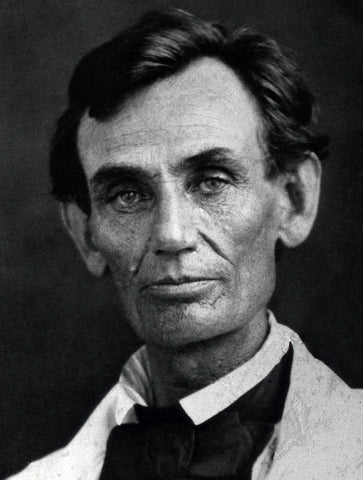

Deciding to grow a beard might seem like a simple personal choice today, but for Abraham Lincoln, it marked a significant shift in his public persona. Before this change, no U.S. president had worn a full beard while in office, making Lincoln’s decision historically noteworthy. His choice was heavily influenced by a letter from an 11-year-old girl named Grace Bedell. Lincoln’s transformation was not just about facial hair; it was about adaptation and responding to public opinion, something all leaders and entrepreneurs must consider.
Grace Bedell’s Proposal
In October 1860, young Grace Bedell took a bold step. She wrote to Abraham Lincoln, who was then running for president, suggesting he grow whiskers. Her rationale was pragmatic: she believed the beard would fill out Lincoln’s thin face, making him more appealing and potentially swaying voters. Grace even added that her brothers might support him if he adopted this new look. This act of reaching out to a political figure showcases the impact that new perspectives, even from the most unexpected sources, can have.
Lincoln’s Initial Response
Lincoln’s reaction to Grace’s proposal was measured. In his reply, he acknowledged her suggestion but expressed hesitance about altering his appearance merely for effect. He didn’t commit to any immediate action, highlighting a common challenge faced by leaders: balancing authentic branding with strategic changes. For Lincoln, the decision to grow a beard wasn’t just about appearance. It required considering public perception while staying true to his identity.
Post-Election Transformation
After securing victory in the election of November 1860, Lincoln began a transformation. He instructed his barber to let his whiskers grow. The motivations behind this decision likely included distinguishing himself from clean-shaven predecessors and creating an image that resonated with his frontier roots. For entrepreneurs, this phase mirrors the need to refresh their image to align with evolving objectives. It wasn’t only about appearance but nurturing a narrative that reflected who he aimed to be as a leader.
Lincoln’s Journey to Inauguration
Lincoln’s journey from Illinois to Washington D.C. for his inauguration in February 1861 holds lessons for anyone undergoing a significant change. With his new beard, he traveled by train, stopping to meet Grace Bedell in Westfield. According to reports, Lincoln, upon seeing her, remarked, “You see? I let these whiskers grow for you.” This engagement exemplifies how listening to stakeholder feedback and acting on it can strengthen one’s relatability and connection, a strategy beneficial for businesses and leaders alike.
Public Reaction and Impact
Public response to Lincoln’s beard was generally positive. People saw it as a “vigorous growth” that improved his appearance. However, there were critics. Some still found him less than handsome (a reminder that not all change will satisfy everyone). Embracing change brings varied opinions, but when positive feedback predominates, it can foster confidence. Entrepreneurs, too, must navigate such feedback loops to fine-tune their branding strategies.
The Beard as a Safety Measure
Lincoln’s beard wasn’t just about aesthetics; it also played a practical role in his safety. During his inauguration journey, there were assassination threats in Baltimore. Lincoln’s new appearance, combined with other disguise tactics, helped him travel incognito, likely safeguarding his life. This highlights how sometimes unexpected changes (like a new look) can serve unforeseen benefits. In business, adapting for one purpose might incidentally provide protection against other challenges.
Impact on Businesses and Portraiture
Lincoln’s decision to grow a beard unexpectedly impacted businesses. Lithograph seller Milton Bradley faced a dilemma as his beardless Lincoln prints became obsolete. Instead of risking losses, Bradley pivoted to create board games, resulting in the hugely successful “The Checkered Game of Life.” This situation underscores the importance of adaptability in business. Leaders must be ready to pivot strategies in response to external changes, ensuring they remain relevant and innovative.


Beard as Part of Lincoln’s Legacy
The beard became an intrinsic part of Lincoln’s image and legacy. It’s now hard to envision him without it. This minor change helped shape perceptions, contributing to his role as the “Great Emancipator.” His decision illustrates the power of personal branding, an area entrepreneurs must navigate thoughtfully. For Lincoln, the beard was both a personal and strategic shift, allowing him to craft a statesmanlike persona. Understanding and adapting personal branding can be vital for success.
Conclusion
Lincoln’s bearded transformation wasn’t just about adopting whiskers; it was about embracing new opportunities, making thoughtful changes, and navigating public opinion. Grace Bedell’s suggestion may have seemed minor, but it became a pivotal moment in crafting Lincoln’s presidential image. For leaders and entrepreneurs, Lincoln’s experience offers valuable insights into the importance of adaptability, stakeholder engagement, and strategic change. As you contemplate changes in your journey, remember the lessons from Lincoln: even small shifts can lead to significant impact. For additional insights into leadership and transformation strategies, you can explore more resources on our site here.
Also Read: