




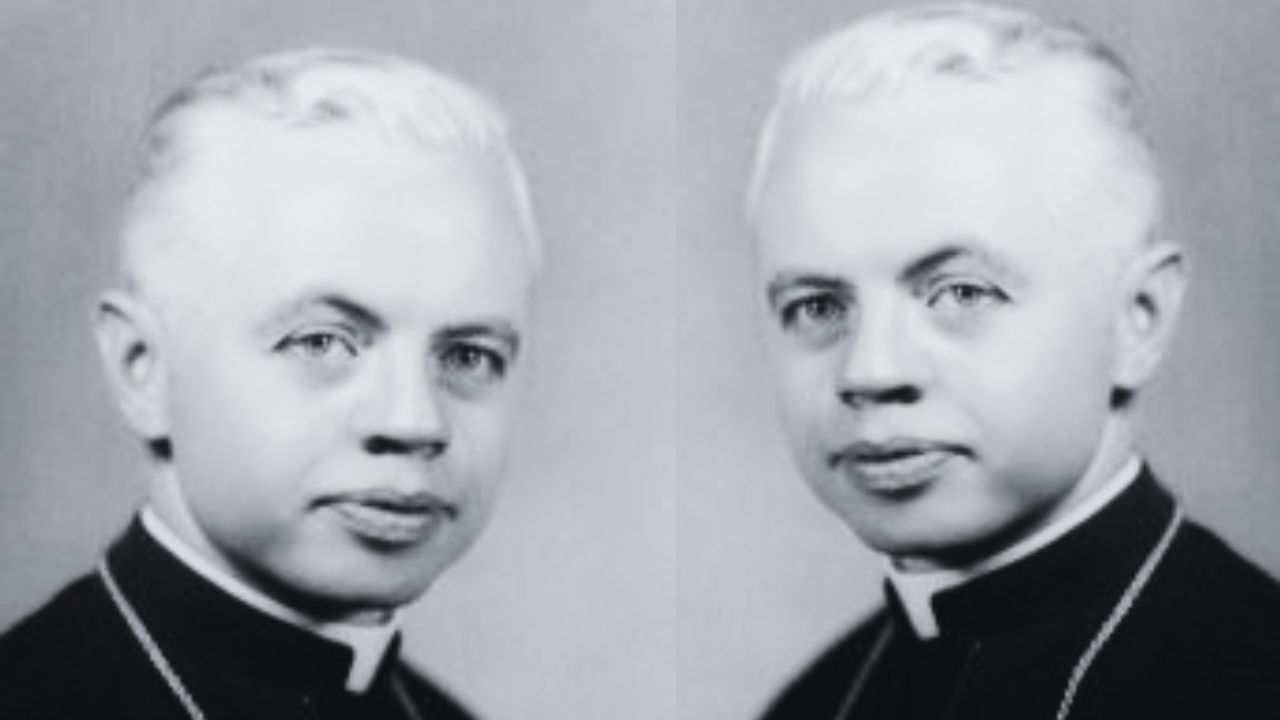

Philip Francis Pocock stands as a significant figure in the Canadian Roman Catholic Church, known for his calm yet effective leadership as a bishop and archbishop. His service in pivotal dioceses—Saskatoon, Winnipeg, and Toronto—marked him as an influential cleric whose decisions and actions guided these communities toward growth and adaptability. If you seek to understand the roles and responsibilities that can shape leadership in religious settings, Pocock’s journey offers valuable insights.
Early Life and Education
Philip Pocock was born on July 2, 1906, in St. Thomas, Ontario. This was the start of a life that would later resonate with influence across Canada. He began his theological education at St. Peter’s Seminary in London, Ontario, which provided a strong foundation in religious studies. On June 14, 1930, Pocock was ordained as a priest by Bishop Denis P. O’Connor at St. Peter’s Cathedral. Here’s what to know about this period: his early work in two parishes painted the picture of a dedicated young priest eager to excel.
Between 1930 and 1933, Pocock was already setting his sights higher—seeking advanced knowledge in canon law. This led him to Rome, where he pursued and completed a doctorate in canon law from the esteemed Angelicum University in 1934. Following this academic achievement, Pocock returned to Canada. Back home, he dedicated himself to teaching moral theology and canon law at St. Peter’s Seminary. His teaching career lasted a decade, during which he educated and motivated many future leaders of the church.
Episcopal Career
Pocock’s episcopal journey began in Saskatoon, where he was appointed Bishop on April 7, 1944. Clearly, an opportunity arose for him to lead with impact at a relatively young age, being the youngest bishop in Canada at that time. His consecration by Apostolic Delegate Ildebrando Antoniutti marked the official beginning of his leadership in Saskatoon. He served in this capacity for seven years. Moving to Winnipeg, you notice another phase of his career that showcased his adaptability and resilience.
Appointed as Apostolic Administrator on June 16, 1951, and later as Coadjutor Archbishop (Titular Archbishop of Aprus) on August 6, 1951, he eventually succeeded as Archbishop of Winnipeg on January 14, 1952. This trajectory highlights his ability to manage transitions effectively, a skill essential in leadership roles. You may consider his influence in Winnipeg as laying the groundwork for institutional reforms and moral guidance, an important phase before he moved on to even more significant roles.
Archbishop in Toronto
Pocock’s journey continued to Toronto, where in 1961 he was appointed as Coadjutor Archbishop to assist Cardinal James Charles McGuigan. What to consider here is the delicate balance of supporting existing leadership while preparing for future responsibilities. On March 30, 1971, he took on the full responsibilities as Archbishop of Toronto, a role he held until he resigned on April 29, 1978. This stage of his career underscored his leadership through the challenging yet innovative period of post-Vatican II reforms.
Achievements in Toronto
Philip Pocock’s time in Toronto is marked by several key achievements. First, he was instrumental in implementing post-Vatican II reforms. He established the Archdiocesan Pastoral Council and the Senate of Priests, which helped promote lay participation. This approach allowed ordinary members of the church to play an active role in decision-making and church activities.
Moreover, he logically expanded church outreach by consecrating auxiliary bishops and establishing 45 new parishes, addressing the growing needs of the Catholic community in the Toronto area. Among his notable decisions was the withdrawal from the United Way, in opposition to Planned Parenthood’s involvement, and the founding of ShareLife, a charitable initiative. His advocacy against pornography and efforts to foster interfaith relations illustrate a commitment to moral values and community harmony. For those interested in leadership amidst changing times, Pocock’s strategic moves in Toronto served as lessons in preserving tradition while embracing necessary change.



Later Life
After resigning as Archbishop, Pocock chose to continue serving the church and his community on a more direct level. He became a parish priest at St. Mary’s in Brampton, Ontario, where he celebrated Masses, confirmations, and actively engaged with the community, especially seniors. His role here, though different from the administrative leadership positions he previously held, illustrated the importance of direct pastoral care and community involvement.
He maintained the honorific title of Archbishop Emeritus of Toronto, a nod to his lasting influence and contributions. This period of his life indicates the value of ongoing service and active community involvement—even after stepping down from formal positions of authority.
Death and Recognition
Philip Pocock’s life came to a close on September 6, 1984, when he passed away at age 78. His contributions did not go unnoticed. He received several recognitions during his lifetime, including an honorary doctorate from the University of Manitoba in 1958 and induction into the Manitoba Order of the Buffalo Hunt in 1962. These honors speak to the respect and admiration he garnered throughout his career and beyond.
Contemporary Reference
Interestingly, you may come across a contemporary artist sharing the same name—Philip Pocock (born in 1954, based in Berlin/Ireland). While both figures are notable in their respective fields, the focus here remains steadfast on Archbishop Philip Francis Pocock, who made indelible contributions to Canada’s religious landscape. For those exploring historical religious figures and their impact on society, Pocock’s story is both inspirational and illustrative of leadership in faith-based communities.
In summary, if you consider the lessons from Philip Pocock’s life and career, you’ll find a testament to the enduring influence of dedicated leadership within the community. Aspiring leaders and religious figures may take away practical insights into how to navigate change, implement meaningful reforms, and remain devoted to community service. As you reflect on Pocock’s legacy, think about the enduring influence one can have through a life committed to both faith and action. This narrative offers both a look back at history and a guide forward for contemporary leadership models. If you’re interested in exploring further on similar topics, you might find additional resources on business leadership valuable.