




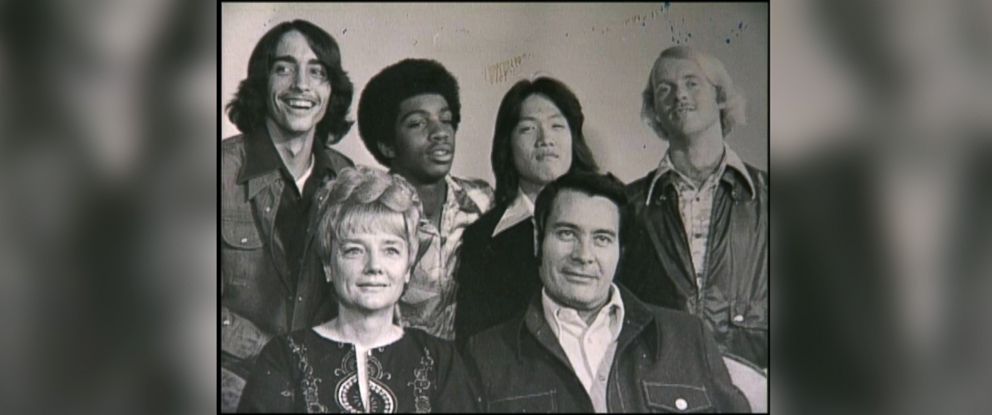

When exploring the complex history of the Peoples Temple, the life of Lew Eric Jones often stands out due to his unique position as the adopted son of Jim and Marceline Jones. His story unfolds within an unsettling narrative that marries the intimacy of family with the broader themes of faith and control, reflecting a life intertwined with controversial figures and events. To understand his significance in this context requires examination of his journey from Seoul, South Korea, to his tragic end in Jonestown, Guyana.
Early Life and Adoption
Lew Eric Jones was born on November 23, 1956, in Seoul, South Korea. His early life took a dramatic turn when he was adopted by Jim and Marceline Jones, founders of the Peoples Temple. This adoption was not merely personal but also served Jim Jones’ vision of creating a family that reflected racial diversity and harmony, central tenets of his religious movement. For aspiring entrepreneurs and small-business owners, this adoption underscores the intersection of personal and public life in leadership, illustrating how family decisions impact broader organizational narratives.
Life in Brazil
Lew Eric’s journey took him to Campinas, São Paulo, Brazil, where his experiences further shaped his identity. This immigration was part of Jim Jones’ plan to establish a community that could reflect the Peoples Temple’s ideals in international settings. Moving to a new country brings its own set of challenges and opportunities, much like the hurdles faced by startups entering new markets. In general, it underscores the importance of adaptability, cultural sensitivity, and community.
Role in Peoples Temple
The role Lew Eric played within the Peoples Temple was nuanced, deeply influenced by his familial ties to Jim Jones, who was both his father and a spiritual leader. His involvement in temple activities reflected not only a personal commitment but also an expectation from him as part of Jones’ inner circle. This situation parallels the experiences of many children of entrepreneurs who find themselves in family businesses, highlighting the balance between personal desires and business duties, a common theme for small-business owners and solopreneurs.
Family and Relationships
Lew Eric Jones’ personal life intertwined closely with other members of the Peoples Temple community. He was married to Mary Theresa “Terry” Carter, with whom he had a son named Chaeoke Jones. Family dynamics often play a critical role in business environments, impacting decision-making and leadership styles. His relationship with Tim Carter as a brother-in-law further illustrates the complex networks within such communities. You may need to consider these ties when evaluating long-term goals and conflict resolution within your enterprise.
Tragic End in Jonestown
Tragically, Lew Eric Jones’ life ended on November 18, 1978, during the mass murder-suicide orchestrated by Jim Jones at the Jonestown settlement in Guyana. This event, which claimed over 900 lives, remains one of the most harrowing moments in modern history. It serves as a somber reminder of the potential consequences of unchecked power within leadership roles. As business leaders, it is crucial to remain vigilant against the dangers of absolute control and ensure that ethical considerations guide your decision-making processes.
Legacy and Burial
After his untimely death, Lew Eric Jones was laid to rest at Earlham Cemetery in Richmond, Indiana. His life and its abrupt end prompt reflection on the impact of familial and organizational allegiances. For entrepreneurs, this may underscore the need for a clear legacy plan and awareness of the influences that shape your business environment. Decisions about succession and business continuity are critical to protecting and preserving the values and ambitions that define what you build. If you’re interested in exploring strategies for maintaining your legacy and ensuring your family-business continuity, consider utilizing resources like Midpoint Business for insights and guidance.
Conclusion
Ultimately, Lew Eric Jones’ life journey, marked by adoption, devotion, and tragedy within the Peoples Temple, offers lessons on leadership, community, and the human condition. He serves as a poignant figure within the larger narrative of the Peoples Temple, reminding us of the intertwining of personal and organizational destinies. For those involved in business and leadership, his story urges reflection on maintaining a balance between personal values and enterprise ambitions, ensuring ethical practices guide business success.


Also Read: