



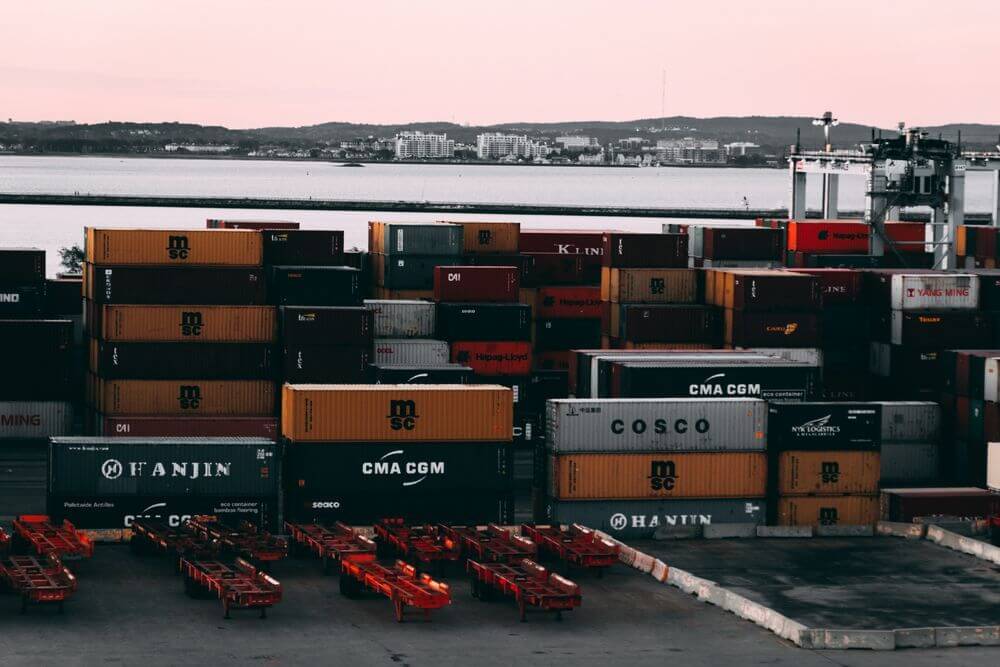

Keeping track of cargo is today more convenient than it used to be. There is no need to rely on scattered updates. Long email chains are also not needed. A simple track my container search is all you need. It will give a clear view of where a shipment stands at any moment.
Starting with the Right Details
Every container holds a unique reference number. This could be:
- the container number
- a bill of lading
- a booking reference
Entering one of these into a tracking tool pulls up the latest status.
Most container tracking systems connect data from:
- shipping lines
- ports
- vessel movements
This brings everything into one place. So, there is no need to check multiple sources. Some widely used tools, including platforms like SeaRates, follow this same approach to simplify tracking.
How the System Actually Works
Tracking is powered by a mix of hardware and digital systems. Some containers are fitted with GPS or sensor-based devices. These tools record location and movement as the shipment progresses.
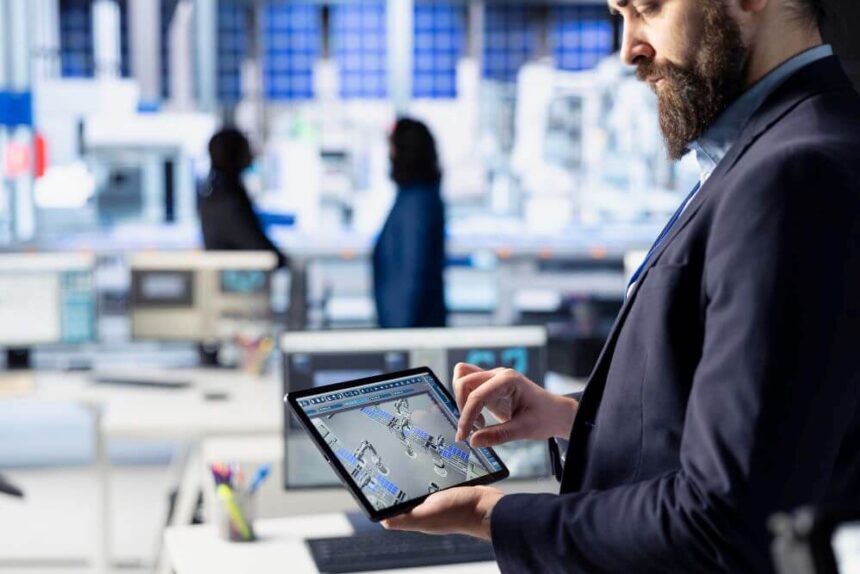
This information is transmitted through satellite or network connections. It is then processed and displayed on a dashboard. The result is a steady stream of updates that reflect real activity, not estimates alone.
In some cases, vessel signals are also used to refine arrival timelines. This helps in understanding not just where the container is, but how long it may take to reach the next point. Over time, these systems also build movement history, which can be useful for reviewing past delays or identifying patterns in specific routes.



What You Can See
A tracking platform usually presents a clean, structured view of the shipment journey:
- Current location
- Movement status across each stage
- Port arrival and departure updates
- Delays or early movements
- Expected arrival timing
For certain shipments, additional data, such as internal conditions, may also be available. This becomes especially useful for goods that require stable environments during transit.
Why It Matters in Daily Operations
In a fast-moving trade environment like the UAE, timing shapes every decision. Real-time visibility helps avoid guesswork.
- Planning becomes more precise. Transport and storage can be aligned with actual arrival times.
- Disruptions are easier to handle. Early signals of delays allow adjustments before issues grow.
- Costs stay predictable. Clear timelines reduce the risk of extra charges linked to delays.
- Communication stays clear. Teams and clients work simultaneously with the same information. It also reduces dependency on manual coordination across multiple stakeholders.
Updates Without Constant Checking
Manual tracking is no longer necessary. Systems now send updates as events happen.
Common alerts include:
- Departure from origin
- Arrival at transit or final ports
- Route changes
- Delay notifications
- Cargo readiness for pickup
These updates reduce the need for repeated follow-ups and keep operations steady. They also help teams prioritize actions without constantly monitoring each shipment.
Access from Anywhere
Tracking tools are built for flexibility. Information is available across desktop and mobile devices, with both staying in sync. This allows teams to stay informed whether they are in the office or on the move.
Choosing What Fits
There is no single setup that suits every operation. Some businesses need only basic tracking. Others depend on deeper insights and automation.
A practical solution should off