




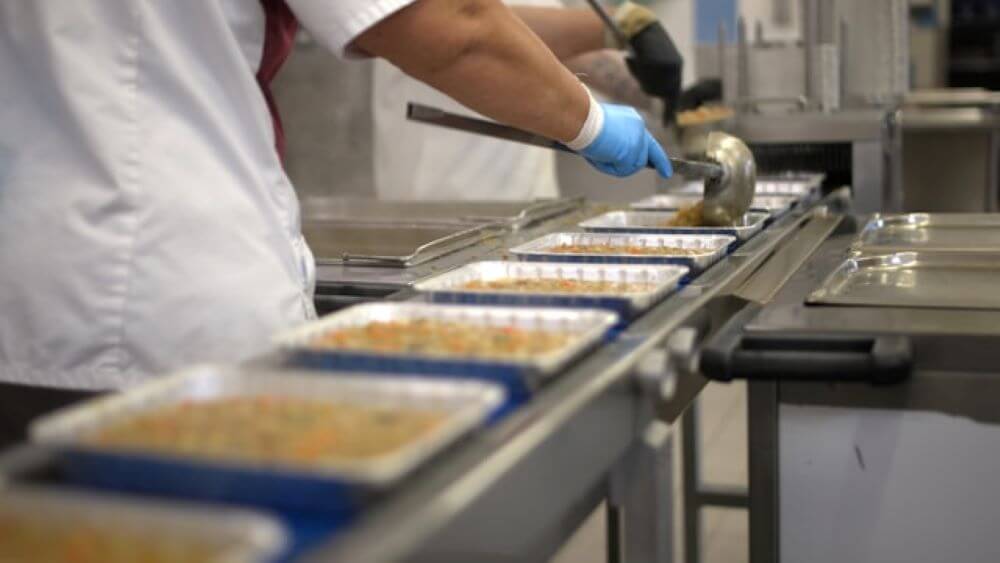

Food safety failures rarely begin with a major contamination event. More often, they start with small sanitation issues that seem manageable at the time. A delayed equipment cleaning, an unresolved maintenance problem, or a missed warning sign may not immediately disrupt operations.
However, when these issues accumulate, they can create serious risks for both consumers and manufacturers. Recent incidents across the food industry have highlighted how quickly seemingly minor problems can escalate into recalls, production shutdowns, regulatory scrutiny, and reputational damage.
For food plants operating under constant pressure to maximize efficiency, the challenge is not simply maintaining production. It ensures that operational decisions never undermine the sanitation and food safety systems designed to protect the business and the public.
Small Sanitation Problems Rarely Stay Small
Many contamination events begin with conditions that appear insignificant. Product residue, poor drainage, condensation, or hard-to-clean equipment may not seem like urgent concerns during a busy production cycle. Yet these issues can create opportunities for pathogens to thrive if left unaddressed.
As Fayette Industrial notes, inadequate cleaning in most commercial settings may result in operational inconvenience or employee dissatisfaction. In food manufacturing, however, those failures can create contamination risks with serious operational, financial, and public health consequences.
The 2024 listeria outbreak linked to Boar’s Head illustrates how serious the consequences can become. According to the CDC, listeria causes an estimated 1,600 illnesses and about 260 deaths in the United States each year. Following the outbreak, Boar’s Head expanded its recall to approximately 7 million pounds of deli meat and poultry products.
Investigations later documented sanitation concerns that included food residue, condensation, drainage issues, and cleaning deficiencies. The case serves as a reminder that food safety failures rarely result from a single mistake. They often emerge when multiple sanitation issues remain unresolved over time.
For businesses, addressing minor food plant sanitation concerns early is often far easier than managing the fallout from a large-scale contamination event.



Production Demands Can Encourage Shortcuts
Food manufacturers constantly balance efficiency with safety. Every minute of downtime affects productivity, labor utilization, and profitability. However, production goals can become problematic when they begin influencing food safety decisions.
The shutdown of Abbott’s infant formula facility in Sturgis, Michigan, demonstrates how far-reaching those consequences can be. At the time, the facility produced roughly 20% of the U.S. infant formula supply. When operations were halted, the impact extended far beyond the plant itself and contributed to a nationwide shortage.
Reports from workers raised concerns about sanitation practices, maintenance conditions, and quality procedures. Whether concerns originate from operators, sanitation crews, or quality teams, they should be treated as valuable risk indicators rather than operational obstacles.
Food plants often have access to warning signs long before regulators or consumers become aware of a problem. The ability to recognize and act on those warnings can make the difference between prevention and crisis management.
Food Safety Culture Determines Whether Problems Get Fixed
Food safety failures rarely occur without advance notice. In many cases, facilities receive multiple indicators that something is wrong before a crisis develops.
Those indicators may include recurring environmental test results, employee concerns, sanitation findings, equipment maintenance issues, or inspection observations. While each issue may appear manageable on its own, together they can reveal deeper weaknesses within a facility’s food safety program.
Both the Boar’s Head and Abbott cases illustrate the importance of acting on early warnings. Following reports about conditions uncovered during investigations into Boar’s Head facilities, U.S. Representative Rosa DeLauro described the findings as “a pattern of negligence.” She also accused the company of “cutting corners to protect the company’s bottom line.”
The statement reflects a challenge many food plants face. Under operational pressure, it can be tempting to postpone corrective actions or accept temporary workarounds. However, the greatest risk is often not the initial problem itself but the failure to respond before it escalates.
Facilities that encourage employees to report concerns and address issues promptly are often better equipped to prevent recalls, contamination events, and production disruptions.
Compliance Alone Does Not Build Trust
Meeting regulatory requirements is an important part of food safety, but compliance alone does not guarantee consumer confidence. Trust is built when food businesses consistently address risks rather than simply meeting minimum standards.
A recent investigation in Wales found examples of food businesses displaying incorrect hygiene ratings and misrepresenting inspection results. While the case involved takeaways rather than food manufacturing facilities, it illustrates a broader industry challenge. Food safety systems are only effective when businesses engage with them honestly and use them to drive continuous improvement.
Commenting on the issue, Pembrokeshire County Council cabinet member for regulatory services, Cllr Jacob Williams, said food hygiene ratings help consumers make informed decisions. He added that the scheme helps people choose where they eat or buy food. When businesses provide inaccurate information, they undermine the purpose of those systems and weaken public trust.
For food plants, the lesson is clear. Passing inspections should never become the end goal. Facilities that focus solely on compliance may overlook sanitation concerns that have not yet triggered regulatory action.
Strong food safety programs go beyond meeting requirements. They encourage transparency, address issues proactively, and treat every sanitation concern as an opportunity for improvement rather than a box to check.
FAQs
How do plants manufacture their food?
Food plants manufacture food through a series of controlled steps, including processing, mixing, cooking, packaging, and storage. Raw ingredients are transformed into finished products using specialized equipment. Quality checks and safety controls help ensure consistency, efficiency, and product safety.
What is food plant sanitation?
Food plant sanitation refers to the cleaning and maintenance practices used to keep equipment, surfaces, and facilities free from contamination. It helps prevent the growth and spread of harmful microorganisms. Effective sanitation supports food safety, product quality, and regulatory compliance.
What is compliance in food safety?
Food safety compliance means following regulations, standards, and procedures designed to protect consumers from contamination and foodborne illnesses. It includes proper sanitation, documentation, monitoring, and employee training. Compliance helps food businesses meet legal requirements and maintain consumer confidence.
The Numbers Behind Recent Food Safety Incidents
| Annual U.S. listeria illnesses | 1,600 |
| Annual U.S. listeria deaths | 260 |
| Boar’s Head recall | 7 million pounds |
| Boar’s Head outbreak deaths | 10 |
| Abbott Sturgis’ share of U.S. formula supply | 20% |
The takeaway for food manufacturers is straightforward. Major food safety incidents rarely happen overnight. They often begin with small sanitation shortcuts, unresolved maintenance issues, and warning signs that go unaddressed. The cases discussed in this article show how quickly minor concerns can escalate into significant operational, regulatory, and reputational challenges.
Facilities need to identify and address these risks before they become larger problems. By prioritizing preventive action, transparency, and continuous improvement, food plants can strengthen food safety performance while supporting long-term operational success.