






Property managers in Miami Beach face a persistent challenge: saltwater intrusion plumbing Miami problems triggered by rising sea levels and frequent tidal flooding. When tidal surges or heavy rains push seawater into underground systems, the salty water can infiltrate plumbing lines, corrode pipes, and even back up into building water supplies. This not only threatens the reliability of essential services but can also compromise health and safety for tenants and commercial occupants. Addressing saltwater intrusion requires specialized knowledge and a proactive approach that accounts for Miami Beach’s coastal conditions and unique building codes. For managers overseeing multiple properties, understanding the right mitigation steps is the first defense against costly damage and disruptions.
Miami Beach Plumbing Vulnerabilities Caused By Rising Sea Levels
Saltwater intrusion is a pressing concern for Miami Beach property managers due to the area’s low elevation and porous limestone bedrock, which allow seawater to seep into freshwater and plumbing systems. As sea levels rise, this process accelerates, putting building foundations and underground pipes at greater risk. Even small breaches in aging water mains and sewer lines can allow saltwater to enter, leading to increased maintenance demands and potential service interruptions.
The impact is most pronounced in older commercial buildings with outdated plumbing infrastructure, where cast iron or galvanized steel pipes are especially vulnerable to corrosion. Over time, this can result in pinhole leaks, pipe bursts, and water quality issues that jeopardize both property value and tenant satisfaction. For a deeper understanding of how these environmental factors affect local buildings, reviewing Miami Beach’s groundwater vulnerability offers valuable context.
Mitigating these vulnerabilities begins with a thorough assessment of existing plumbing systems, focusing on the depth and material of pipes, the proximity to high tide lines, and the history of flooding events. Property managers should partner with local experts familiar with municipal codes and coastal conditions to create an effective mitigation plan tailored to each building’s needs.
Corrosion Resistant Materials For Coastal Commercial Properties
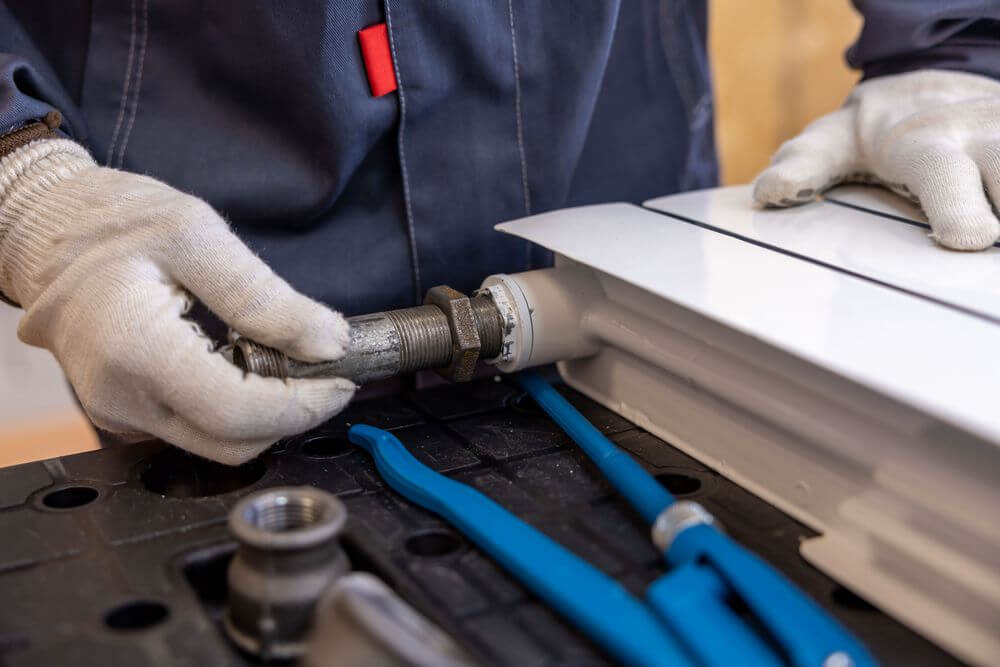
One of the most effective saltwater intrusion plumbing Miami solutions is the use of corrosion-resistant materials during repairs and upgrades. PVC (polyvinyl chloride) and CPVC (chlorinated polyvinyl chloride) pipes, as well as high-grade copper and certain stainless steel alloys, are favored for their durability and resistance to salt-induced decay. Choosing these materials can prolong system life and reduce the frequency of emergency repairs.
For commercial properties near the shoreline, specifying pipe materials that meet ASTM (American Society for Testing and Materials) standards for saltwater resistance is a practical step. Flexible couplings and fittings designed for marine environments can also help protect vulnerable connections. Comparing corrosion resistance in plumbing materials enables property managers to make informed choices for long-term protection.
When planning a major renovation or replacement project, consult a Plumber in Miami experienced in local saltwater intrusion issues. This type of service provider can recommend the best material combinations for site-specific risks, helping managers avoid common pitfalls and meet local compliance standards.
Backflow Prevention Strategies For Miami Beach Buildings
Saltwater backflow, where seawater reverses flow into freshwater plumbing, poses a significant risk during storms or high tides. To counter this, Miami Beach commercial properties should install specialized backflow prevention devices at key points in the water system. These mechanical valves stop the reverse movement of water, blocking saltwater from contaminating drinking and process water supplies.
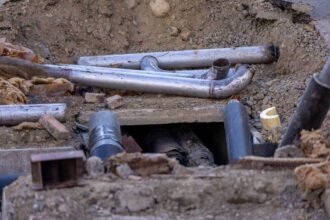


Local regulations may require annual inspections and certification of backflow prevention assemblies in commercial settings. Property managers should schedule these checks as part of regular building maintenance, ensuring devices remain operational and compliant. Upgrading to advanced double check valve assemblies or reduced pressure zone devices offers added security against severe tidal surges.
Effective backflow prevention not only safeguards building occupants but also protects plumbing infrastructure from accelerated wear caused by corrosive saltwater exposure. Consulting with a licensed professional ensures devices are correctly installed and maintained according to Miami Beach’s unique coastal conditions.
Routine Maintenance Protocols For Commercial Plumbers In Miami
Regular maintenance is critical to detecting and addressing saltwater intrusion before it causes extensive damage. Commercial plumbers in Miami often recommend quarterly inspections of all plumbing components, with particular attention to underground pipes, sump pumps, and backflow devices. Early detection of corrosion or leaks allows for prompt repairs that minimize water loss and property disruption.
Flushing systems with fresh water after high tide events or heavy rainfall can help remove salt deposits and maintain water quality. Keeping detailed records of maintenance activities and inspection findings supports compliance with local requirements and helps property managers plan for future upgrades.
Engaging a commercial plumbing partner familiar with Miami Beach’s saltwater risks enables property managers to implement efficient, customized protocols that extend system lifespan and ensure ongoing tenant satisfaction.
Conclusion
Initiate a site-specific plumbing assessment that includes material analysis, backflow prevention review, and a tailored maintenance schedule. Engaging professionals who understand the unique challenges of saltwater intrusion plumbing Miami properties ensures your buildings remain resilient in the face of rising sea levels and protect your investment for years to come.