




Franco Nero, whose full name is Francesco Clemente Giuseppe Sparanero, is a name that resonates in the world of cinema for his unique contributions and lasting impact. Born on November 23, 1941, in San Prospero Parmense, Parma, Italy, Nero established himself as an actor, producer, and director with a career spanning over five decades. Known for playing the lead role in Sergio Corbucci’s *Django* (1966), Nero’s distinct style and commanding presence on screen have earned him considerable acclaim and a significant fan base. With more than 200 film and TV roles, his diverse career showcases his versatility and enduring appeal in the industry.
Early Life
Understanding Franco Nero’s formative years provides insight into the foundation of his illustrious career. Born to a family with a military background, Nero’s father served as a commissioned officer in the Carabinieri, Italy’s national police force. His parents hailed from San Severo, Foggia, in the Apulia region, which adds an interesting dimension to his cultural and personal upbringing.
Growing up in Bedonia and later Milan, Nero initially pursued studies in economics and trade at a local university. However, his passion rested elsewhere, prompting him to join the Piccolo Teatro di Milano. This decision was a pivotal moment in Nero’s early life, shaping his future in film and theater. Here, he developed his craft and nurtured his interest in acting, which would soon become his lifelong vocation.
Career Highlights
Franco Nero’s career is a tapestry of memorable performances across various genres. He began his cinematic journey with a small role in *Pelle viva* (1962), but it was his portrayal of the eponymous character in *Django* (1966) that catapulted him to international fame. The film, a quintessential Spaghetti Western, established Nero as a household name and set a precedent for the roles he would undertake.
Beyond Westerns, Nero displayed an impressive capacity for versatility. Titles like *Texas, Adios* and *Massacre Time* reaffirmed his prowess in the Western genre. Meanwhile, roles in *The Bible: In The Beginning* (1966) and *Street Law* displayed his ability to transcend genre boundaries. His nuanced performance as a gay lieutenant in *Querelle* (1982) and a Serbian medieval hero in *The Falcon* (1983) underscored his adaptability and depth as an actor.
In a career filled with variety, another hallmark was *Jonathan degli orsi* (1993), where Nero not only acted but also took on writing and producing responsibilities. This was part of a broader expansion of his career into directing, exemplified by his directorial debut, *Forever Blues* (2005). Here’s what to know: Franco Nero’s career exemplifies an actor unafraid to explore new territories, continuously challenging himself and his audience.
Personal Life
Franco Nero’s personal life is characterized by both passionate relationships and familial ties. In the 1970s, his romantic entanglements with renowned actresses such as Catherine Deneuve, Goldie Hawn, and Ursula Andress captured public attention. These relationships, while personal, were often scrutinized due to the celebrity stature of those involved.
Nero is also a father and has sons from different relationships. His son, Frank Sparanero—often known as Frankie Nero or Frank Nero Jr.—was born in Rome in 1983. Frank, whose mother is Danica Pevec (known as Alexandra Romanov), is an artist with diverse talents spanning architecture and photography. Frank began his journey in the arts with a debut in 1996, signaling a continuation of the creative spark within the family.


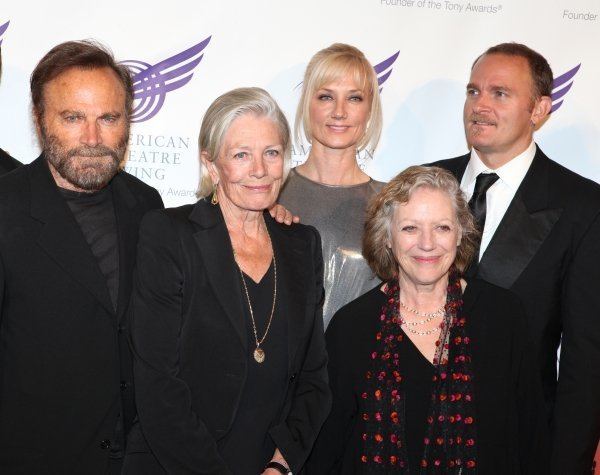
Nero’s relationship with actress Vanessa Redgrave is another prominent aspect of his personal life. After years of partnership, the couple married in 2006 and shares a son, Carlo. This family union is testament to Nero’s commitment to familial bonds alongside his professional pursuits.
Impact and Legacy
Franco Nero’s influence on the film industry is both profound and enduring. His contributions have not only shaped the genre of Spaghetti Westerns but have also had a broader cultural impact in filmmaking worldwide. The character of Django continues to be iconic, influencing numerous films and spawning sequels and homages.
Even as the landscape of the film industry evolves, Nero’s work remains relevant, demonstrating timelessness and cultural importance. His extensive filmography continues to inspire young actors and filmmakers, highlighting both the rewards and challenges of a career in the performing arts.
Moreover, Nero’s transition into writing, producing, and directing offers aspiring filmmakers a blueprint for versatility and adaptability. Though generally associated with acting, his ventures into other roles within the film industry showcase a proactive approach to career development.
In summary, Franco Nero’s legacy is one of innovation, dedication, and resilience. Whether you are an aspiring filmmaker or an enthusiastic cinephile, understanding his journey offers valuable lessons. It illustrates the importance of embracing a multifaceted career and seizing opportunities for creative expression. For those looking to explore more about influential figures in cinema, check reliable sources and think about how seasoned industry veterans have navigated their paths. A good point of reference is this resource that sheds light on successful strategies within the industry.