




Office life is evolving fast. After years of hybrid working, changing employee expectations and rising pressure on businesses to make the office genuinely worth the commute, amenities are no longer just “nice extras”. They’re becoming part of how companies attract talent, support productivity and shape culture.
For growing teams, flexibility is now central to the appeal. Serviced office spaces are setting the standard for what modern workplaces can offer, combining private office space with shared facilities, meeting rooms, community areas and ready-to-use infrastructure.
Wellness Centric Features
The office of the future won’t just be designed around desks. It’ll be designed around people. That means more attention on light, air quality, acoustics, ergonomics and the spaces employees use to decompress between focused work and meetings. Calming rooms, wellness areas and better air quality technology are becoming more relevant because employees are increasingly aware of how their surroundings affect energy, stress and concentration.
Modern workplaces are typically moving towards more green spaces, wellness facilities, collaboration spaces and technology-enabled environments as office design becomes more focused on convenience, wellbeing and experience. In this landscape the best amenities won’t feel tokenistic. A quiet room that’s actually quiet, a chair that properly supports long work sessions or a well-ventilated meeting space can matter more than a flashy perk nobody even uses.
Smart Meeting Rooms
Meeting rooms are also becoming smarter. As hybrid work settles into normal working life, teams need spaces that make joining, presenting and collaborating feel seamless rather than awkward.
That could mean touch-free controls, integrated video conferencing, AI-assisted scheduling and screens that connect quickly without the usual cable hunt. Smart rooms should reduce friction. Nobody wants to spend the first 10 minutes of a meeting asking whether anyone can hear them. The real value is in making mixed-location collaboration feel natural. If some people are in the room and others are joining remotely, the technology has to support everyone equally.
Flexible Work Zones
The traditional open-plan office is giving way to more varied work settings. Employees don’t do one type of work all day, so the office shouldn’t offer one type of space.
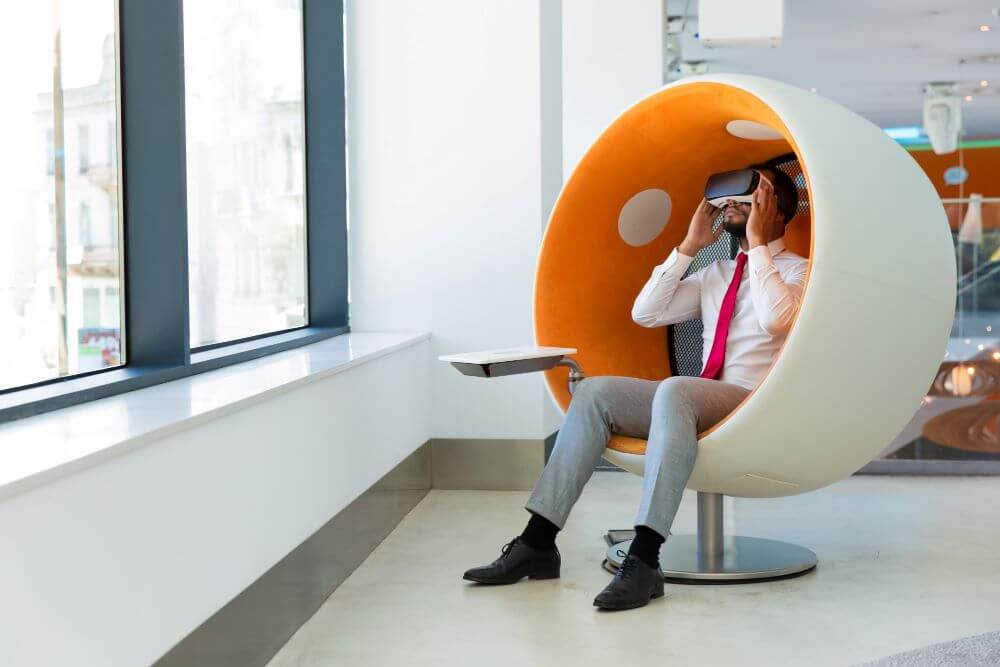
Quiet pods, collaboration lounges, hot desks, phone booths and informal breakout areas all help teams choose the right setting for the task. Firms across the world are adapting to evolving employee expectations while trying to create more efficient, engaging workplaces.


Sustainable Amenities
Sustainability is also becoming part of the amenity conversation. Energy efficient lighting, recycling hubs, low-impact materials and smarter heating and cooling systems can all make a workplace feel more future-facing.
For employees, these details signal that a business is thinking beyond convenience. For employers, sustainable design can support running costs, brand values and long-term workplace resilience.
Community Driven Spaces
Finally, future office amenities will be as much about connection as convenience. Events, networking areas, shared kitchens and social zones can help rebuild the informal moments that hybrid work sometimes loses.
The office doesn’t need to compete with home by being louder, busier or more gimmicky. It needs to offer what home can’t: shared energy, useful facilities, better collaboration and a genuine sense of belonging. That’s where the future of office amenities is heading.