




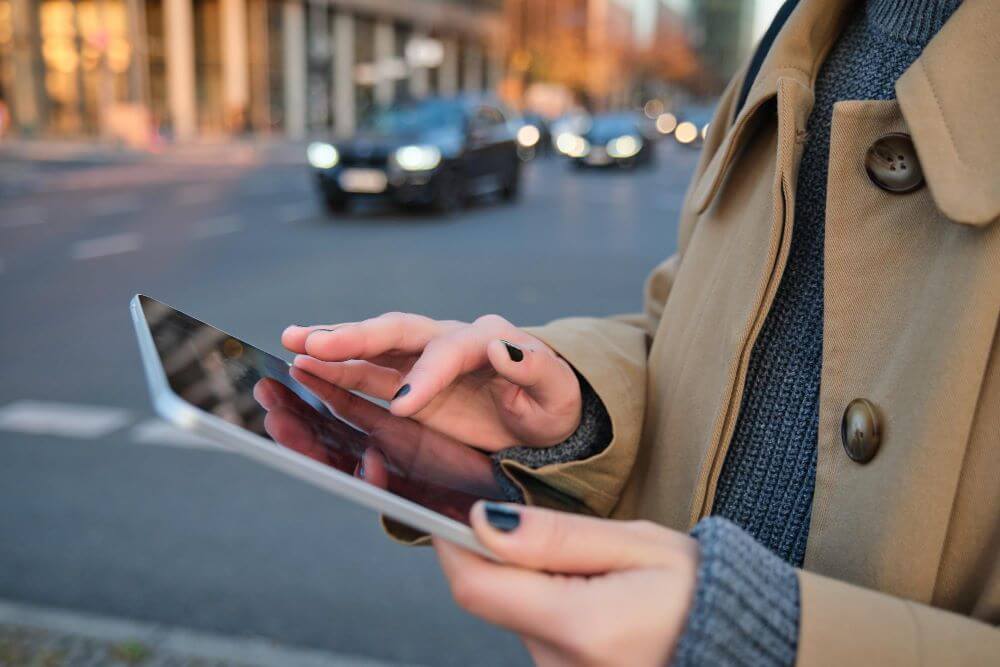

In today’s rapidly changing urban landscapes, people are using digital solutions to travel smarter, faster, and more sustainably than ever before. Smart mobility apps play an essential role in this transformation, integrating multiple transportation modes to offer seamless urban travel. By combining public transit, ride-sharing, micromobility, and other options within a single interface, these platforms empower city dwellers to navigate efficiently. With emerging innovations such as a self-driving taxi app, city travel is becoming increasingly convenient, personalized, and sustainable.
These apps are not just about getting from point A to point B. They are designed to reduce congestion, lower emissions, and address the demands of modern populations. By integrating real-time data, flexible planning, and diverse transport modes, mobility apps are redefining how people experience urban transport while paving the way for ecological improvements and enhanced city living. As this technology matures, the future of urban commuting looks more user-friendly and greener than ever before.
Urban populations around the world continue to surge, resulting in more traffic, pollution, and strain on outdated transit systems. As a result, many cities are turning to technology to develop innovative mobility solutions that can keep up with rising demand. Smart mobility apps utilize real-time data, location services, and integration frameworks to offer cohesive travel experiences. By providing unified access to buses, trains, ride-hailing, bikes, and even autonomous vehicles, these platforms reduce reliance on private car ownership while fostering sustainable transport.
In many leading cities, residents now expect seamless, app-based interfaces that mirror the convenience of other aspects of the digital economy. These expectations have led to the proliferation of multi-modal mobility apps, providing on-demand access to a vast range of shared and public transportation services. Efforts such as Mobility-as-a-Service (MaaS) are at the forefront of these changes, combining travel planning, booking, and payment into a single user journey.
Integration of Multiple Modes
Smart mobility apps integrate different modes of transport into a cohesive system. Whether commuters use buses, subways, rideshares, rental bikes, or scooters, these platforms allow them to plan, book, and pay for complex trips in just a few taps. For example, someone can check real-time subway schedules, book a shared e-bike for the next leg, and connect to a ride-hailing service for the final stretch all through one app.
This level of integration not only saves travelers time but also helps cities manage traffic flows more efficiently. With tools such as predictive route planning and transportation analytics, smart apps can suggest optimal combinations for faster and greener journeys. These apps are critical for encouraging the use of more sustainable transportation modes and reducing the congestion caused by excessive reliance on private cars.
Reduction of Congestion and Emissions
One of the most significant advantages of smart mobility apps is their ability to decrease urban congestion and carbon emissions. By making shared and public transportation options more convenient and visible, these apps actively promote a shift away from single-occupancy vehicle use. Route optimization, shared rides, and real-time data reduce the number of vehicles needed on the road at any given time.
Investing in shared mobility and encouraging commuters to adopt multi-modal trips can dramatically lower emissions and improve air quality. By offering alternatives that fit urban lifestyles and decreasing ‘first-mile, last-mile’ transportation issues, mobility apps create both ecological and social benefits for cities.



Enhanced User Experience
The user experience has become a primary focus for smart mobility app developers. These platforms provide real-time transit updates, personalized travel recommendations, digital ticketing, and cashless payments. By analyzing past travel behavior and incorporating feedback mechanisms, apps offer solutions tailored to individual commuter needs. For many users, this translates into faster commutes, greater convenience, and less stress during travel.
Features such as fare comparison, accessibility guidance, and delay notifications empower users to make informed choices and minimize travel disruptions. As technology advances, smart apps will continue to enhance traveler confidence, increase public transit adoption, and make sustainable choices easier for all urban residents.
Challenges and Considerations
Despite their transformative potential, smart mobility apps face several key challenges. Data privacy is a top concern, as apps collect significant amounts of personal and location data to improve service accuracy. Ensuring this data is protected and used ethically is essential for maintaining public trust. Additionally, smart mobility solutions depend on robust digital infrastructure. This includes reliable wireless connectivity, open data standards, and up-to-date mapping tools.
Equitable access to these platforms also presents a challenge. Not all users have smartphones, internet access, or digital payment methods. Urban planners and technology providers must work together to ensure that app-based transport solutions are inclusive and accessible, serving the needs of all community members regardless of demographic or economic status.
Future Prospects
The future of urban transportation lies in further integration of advanced technologies. Autonomous vehicles, artificial intelligence, and advanced analytics promise to push smart mobility apps even further, enabling hyper-personalized travel planning and on-demand transport solutions. As cities continue to invest in sustainable infrastructure, the synergy between public agencies and private mobility providers will become even more important.
Continued development in these areas will help cities stay resilient and adaptable to changing commuter behaviors, population growth, and environmental concerns. As more governments recognize the benefits of smart mobility, cities are likely to see dramatic improvements in both quality of life and environmental sustainability.
Conclusion
Smart mobility apps are revolutionizing urban transportation by integrating various transport modes, reducing congestion, and supporting environmental sustainability. As these solutions become more sophisticated, they will further enhance the user experience and help bridge accessibility gaps. By addressing challenges related to privacy, infrastructure, and equity, cities can fully unlock the potential of these apps to drive positive transformation in urban mobility and make city life more enjoyable and sustainable for everyone.