




Samira Khashoggi stood at the forefront of literary and social change in Saudi Arabia. Her influence extended beyond her writing; as a publisher and advocate for women’s rights, she laid the groundwork for future generations. You might know her as the founder of *Al Sharkiah* magazine, but her reach was much broader, affecting many domains of Arabic literature and society.
Early Life and Education
Understanding Khashoggi’s background provides insight into her journey. Born in 1935 to a distinguished family, she was the daughter of Muhammad Khashoggi, the personal physician to King Abdulaziz Al Saud. Her Turkish and Syrian ancestry enriched her perspective, blending various cultural influences.
Enrolled at the English School for Girls in Alexandria, she gained early exposure to diverse viewpoints, which perhaps awakened her literary aspirations. In 1955, she graduated from Alexandria University with a bachelor’s in economics. This background in economics not only broadened her understanding but also equipped her with the skills needed to navigate the publishing world effectively.
Literary Contributions
Samira Khashoggi wrote many novels under the pseudonym “Samirah, Daughter of the Arabian Peninsula”. Her work includes *Wadda’t Amali* (*Farewell to my Dreams*) and *Qatrat Min ad-Dumu’* (*Teardrops*), which still resonate with readers today. These titles incorporate themes of dreams and memories, offering introspective paths for readers.
Such works didn’t just stay within the pages of books. *Barīq Aynaik* (*The Sparkle of Your Eyes*) was adapted into a film in 1982, featuring prominent actors like Nour El Sherif. This adaptation signifies her impact on Arabic literature, bringing narratives with authenticity to the screen, creating experiences that linger with audiences long after viewing.
Publishing and Advocacy
Khashoggi’s contribution to media cannot be overlooked. In 1972, she founded *Al Sharkiah* magazine, becoming Saudi Arabia’s first female publisher and columnist. This monthly publication became a pan-Arab resource, focusing on women’s issues and societal transformations.
Furthermore, in 1962, Samira took action by leading Al Nahda, Riyadh’s first women’s welfare association. Al Nahda played a critical role in advocating for girls’ education and visibility, working alongside other notable figures like Effat Al-Thanayan. This advocacy reached international audiences, as seen when she presented “Women in Islam and the Challenges of the Age” at the 1980 World Conference on Women in Copenhagen.
Her role as a producer, in collaboration with adaptations of novels such as *The Bird of East* in 1986, highlights her multifaceted endeavors. In each of these roles, from publisher to advocate to producer, Khashoggi exemplified leadership and innovation.



Personal Life
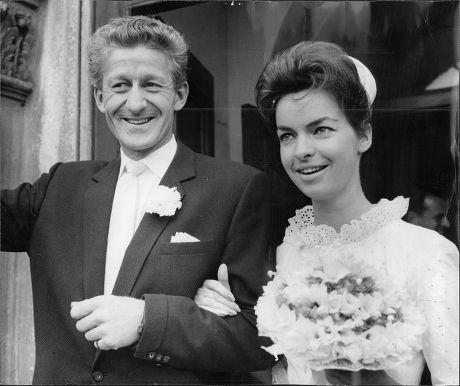
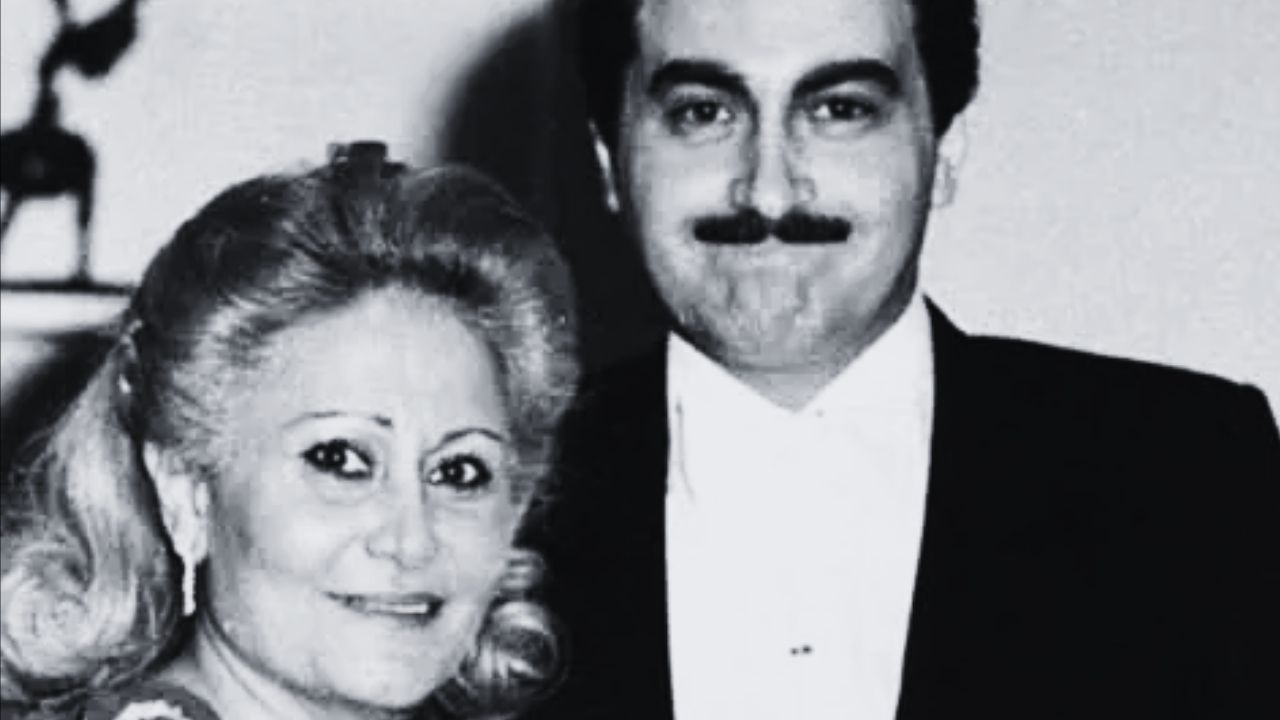
Khashoggi’s personal life was marked by notable relationships and family ties. In 1954, she married Mohamed Al-Fayed, producing a son, Dodi Al-Fayed. However, their union was short-lived, and she returned to Saudi Arabia, where she later married Anas Yassin. This marriage brought forth daughter Jumana Yassin, who continues Khashoggi’s legacy as the editor-in-chief of *Al Sharkiah*.
Her family connections extend to the wider world. For instance, she was the aunt of actress Nabila Khashoggi and the late journalist Jamal Khashoggi. These relationships enrich her legacy, demonstrating enduring familial ties that reach across various spheres of influence.
Death and Legacy
In March 1986, Samira Khashoggi’s life concluded abruptly due to a heart attack, but her influence continues to thrive. At just 51 years old, she left a substantial imprint on the fields of literature, publishing, and advocacy. Aspiring writers and activists have drawn inspiration from her courageous strides toward gender equality and social reform. Her life story encourages current and future generations to challenge norms and push boundaries.
Khashoggi’s legacy emphasizes the importance of using one’s platform responsibly. In establishing *Al Sharkiah*, she bridged gaps and championed voices that had been historically marginalized. Her legacy is rich in lessons on utilizing one’s influence to drive meaningful change.
Conclusion
Samira Khashoggi’s contributions still resonate today. Her work laid the groundwork for future initiatives in the fields she touched. By harnessing her resources and talents, she ensured lasting change in Saudi Arabia and abroad. Khashoggi’s story serves as an exemplary model of how literature, advocacy, and media can blend with purpose to foster growth and empowerment.
For those with a passion for literature or activism, consider the steps you might take to follow in similar footsteps. Perhaps you, too, can create lasting impact in your field. Whether through writing, publishing, or advocacy, set some time aside to explore viable paths for contributing positively to your community. If you believe in the power of your vision, there are important dialogues to engage in, and paths to forge—a journey that can be both inspiring and rewarding.
Learn more about how Samira Khashoggi’s story can inspire change in today’s world.